

Communist Bulgaria

WALKING ON FIRE

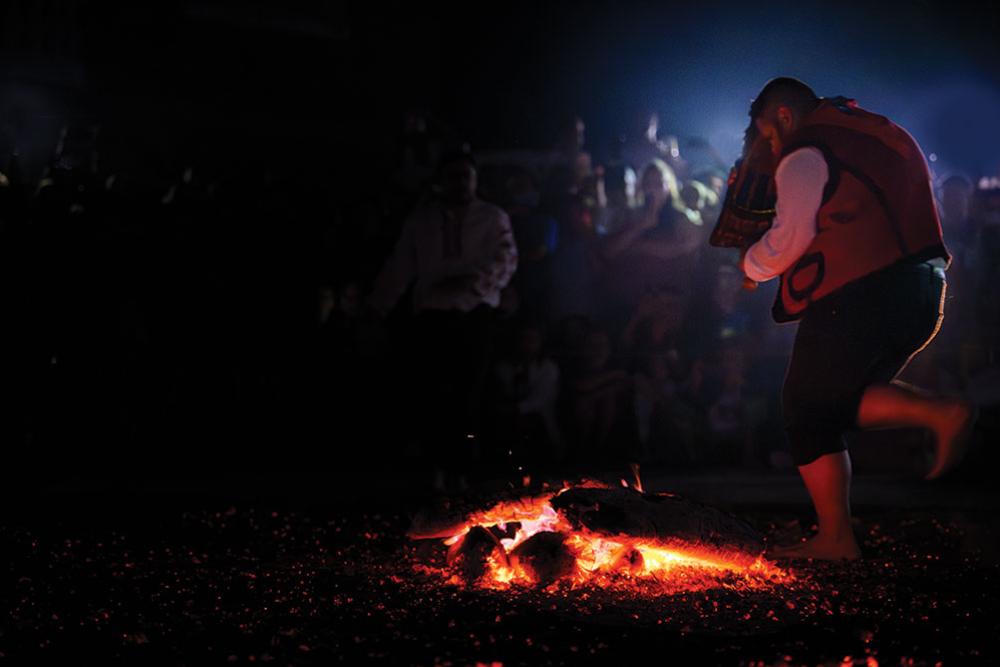
One of the emblematic sights associated with Bulgaria is a group of barefoot men and women clad in traditional village costumes dancing over live embers. This is nestinarstvo, or firewalking, a supposedly Christian rite, where firewalkers dance themselves into a trance and eschew the perils of fire.

Now firewalking is performed at tourist locations and even in restaurants, but the only place to see the real thing is in the village of Balgari in the Strandzha. It happens on the night of 3 June, the high day of Ss Constantine and Helena.

Comments: 0

Read more Add new comment
LA VIE EN ROSE

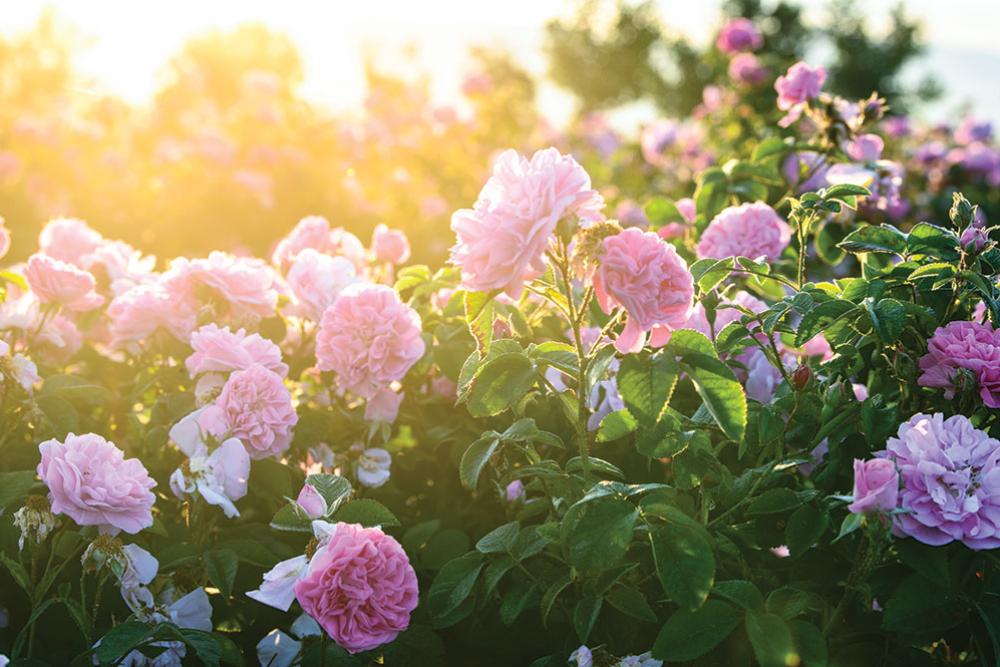
A plant that everyone knows but few have seen in real life: by selecting the oil-bearing rose as its unofficial symbol, Bulgaria has made an odd choice. This particular variety does smell divine but is not particularly beautiful. Its attar is vital for the global cosmetic industry, yet its production and sales make a tiny spec in the Bulgarian GDP.

Comments: 0

Read more Add new comment

LAPSE OF TIME

Sofia, with its numerous parks, is not short of monuments and statues referring to the country's rich history. In the Borisova Garden park for example, busts of freedom fighters, politicians and artists practically line up the alleys. On some of those, like the 19th century revolutionaries and national heroes Vasil Levski and Hristo Botev, people still lay flowers.

Comments: 0

Read more Add new comment
VELIKO TARNOVO DELIGHTS

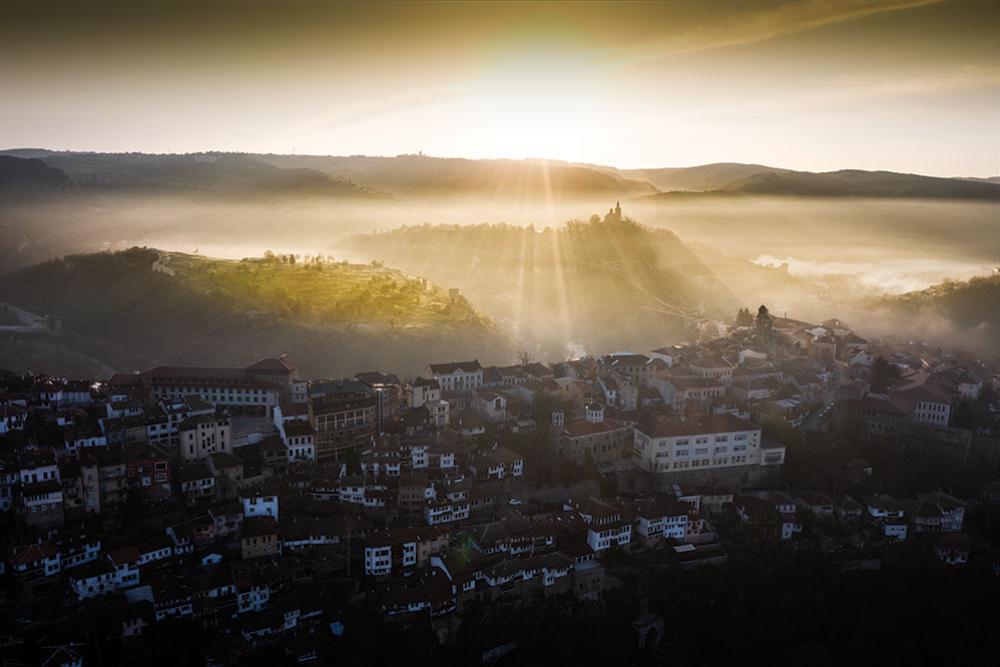
Perched on a twisty meander of the Yantra River, where the hills of the Danube Plain meet the northern slopes of the Stara Planina, Veliko Tarnovo has unparalleled topography in Bulgaria, and possibly the Balkans. Traditional 19th century houses cling above the steep river bends, connected by alleys and steps that defy both gravity and everyday convenience – but living in Tarnovo has never been about convenience.

Comments: 0

Read more Add new comment
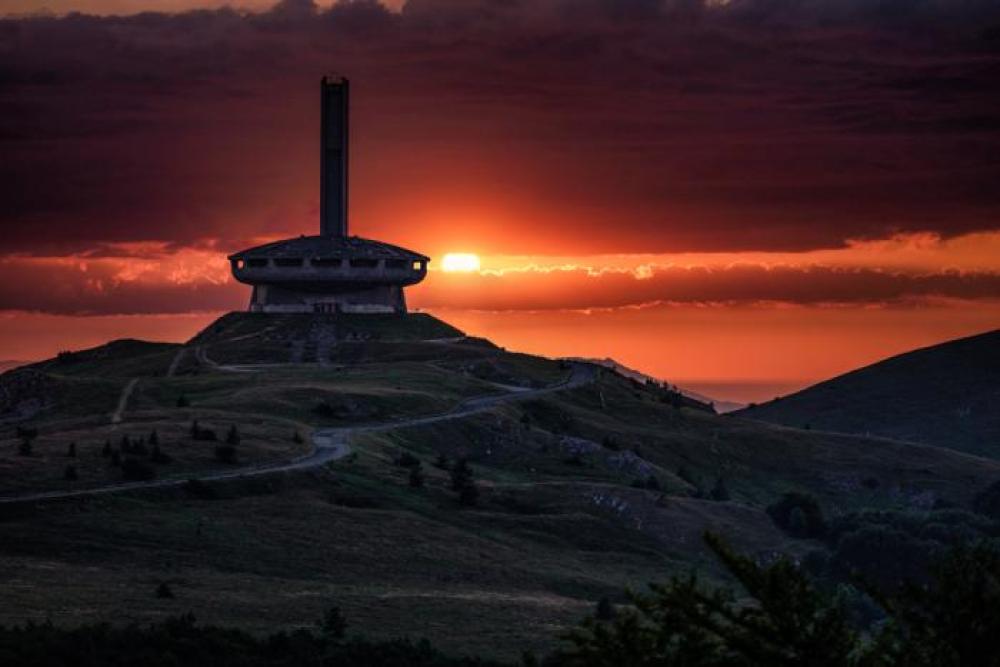
BULGARIA'S FORGOTTEN RACE INTO SPACE

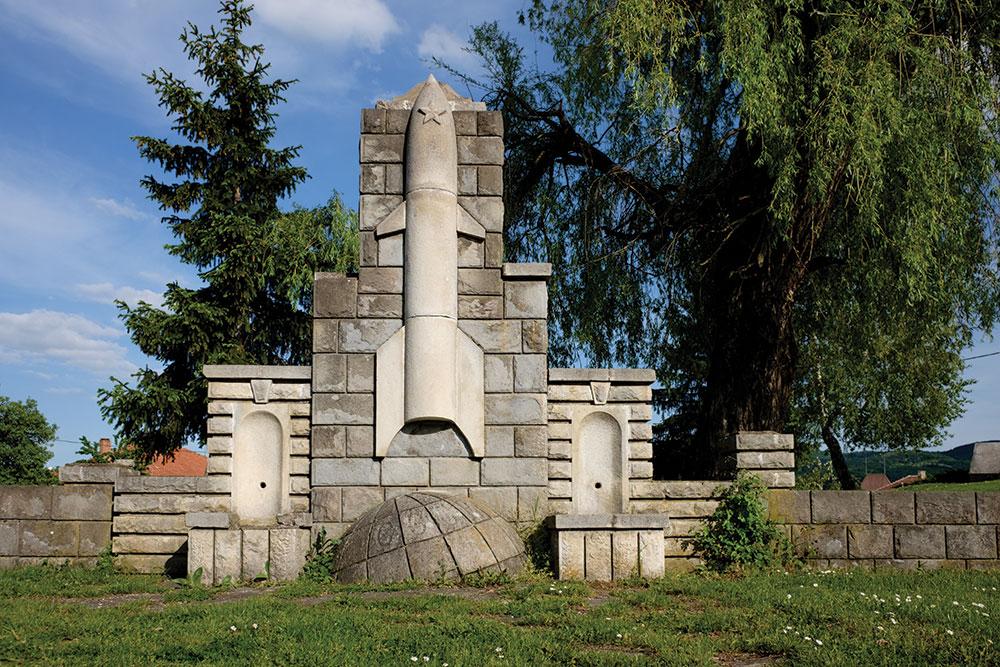
The mission of NASA's Space Launch System that aims to bring back humans to the Moon in 2024 is just the latest piece of space exploration news. The USA, China and Elon Musk are trying to figure out how to colonise Mars, Korea has developed its own rocket, and besides producing stunning photos of distant galaxies the brand new James Webb Space Telescope is searching for inhabitable exoplanets.

Comments: 2

Read more Add new comment
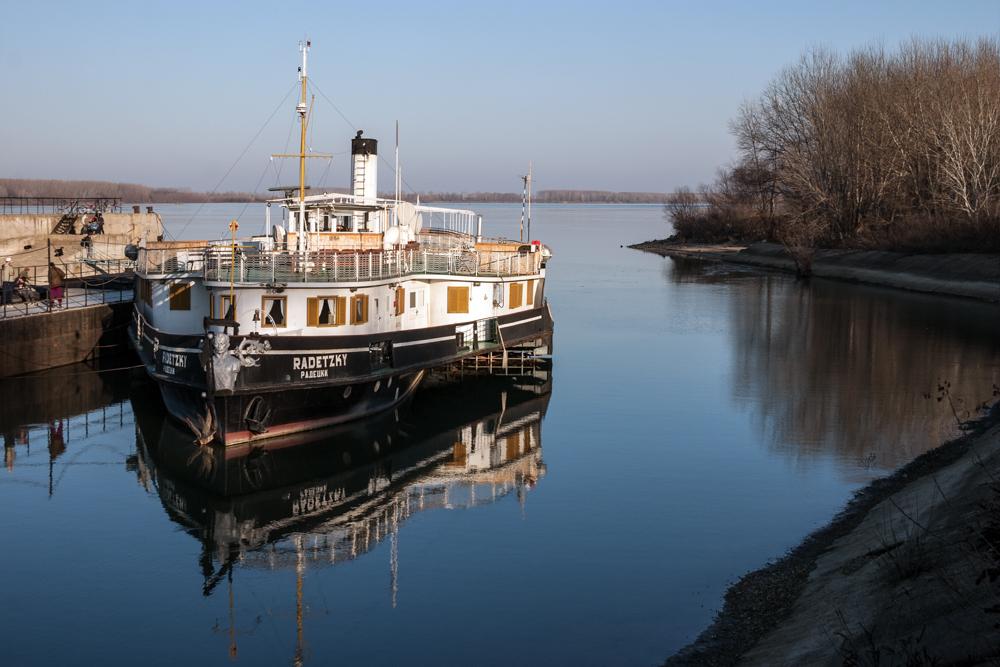
SURPRISE, SURPRISE IN... PERNIK

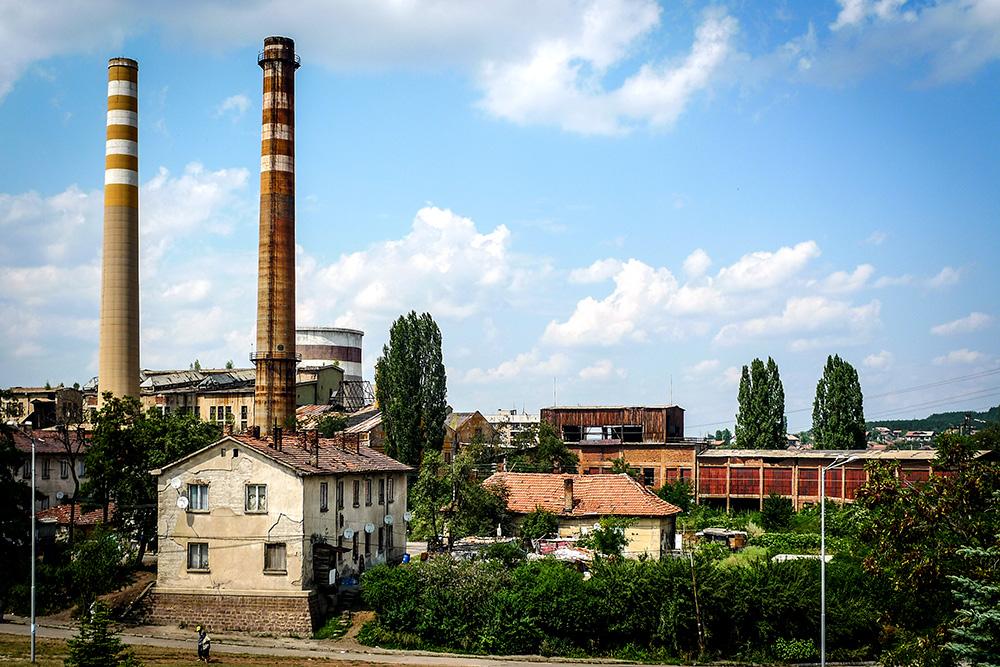
When you plan a trip in Bulgaria, Pernik is rarely on the list (except for one event, more on this below). An industrial behemoth of the Communist era that fell on hard times after the collapse of the planned economy post-1989, the city is known for its uninspiring urbanscape of factories in different states of dereliction. Its residents now often commute to nearby Sofia – less than 20 miles away, and have the dubious reputation of spending weekend nights in local clubs where fights are de rigueur.

Comments: 0

Read more Add new comment
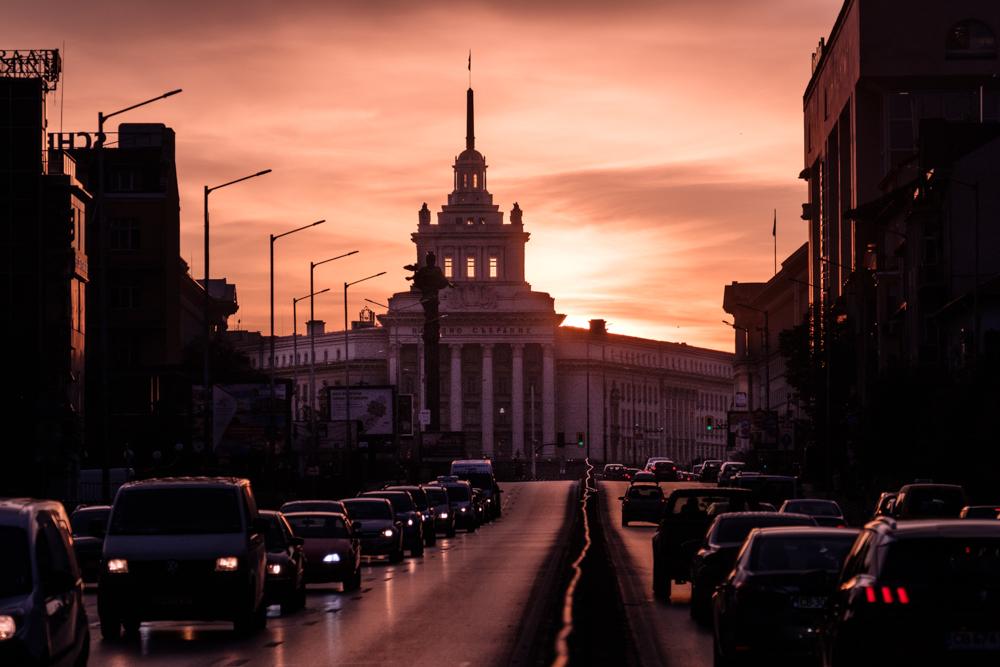
WHAT FEEDS BULGARIAN NOSTALGIA FOR COMMUNISM?

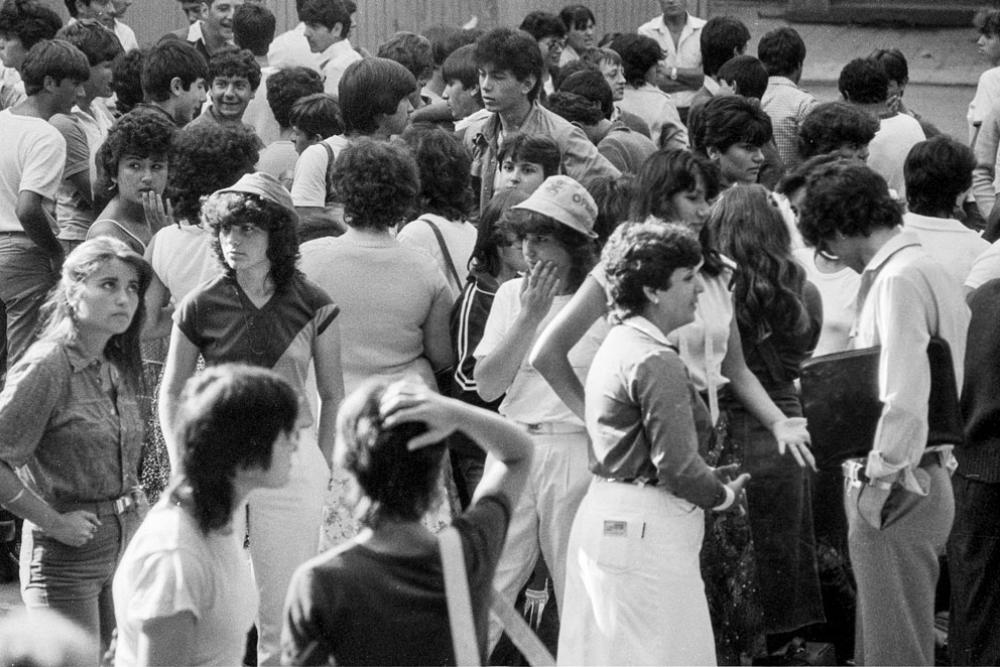
Some years ago the Pew Research Center in Washington DC produced a survey indicating the levels of nostalgia in Bulgaria surpassed by far longing for the past everywhere else in the former East bloc countries. How come? Why would the citizens of what today continues to be the European Union's poorest, most corrupt and least free state want to return to a nebulous and increasingly distant totalitarian past? What differs the modern Poles, Czechs and Romanians – not to mention the former East Germans – who have long forgotten about Communism from their peers in the southern Balkans?

Comments: 0

Read more Add new comment

BULGARIA'S COLD WAR PLANES

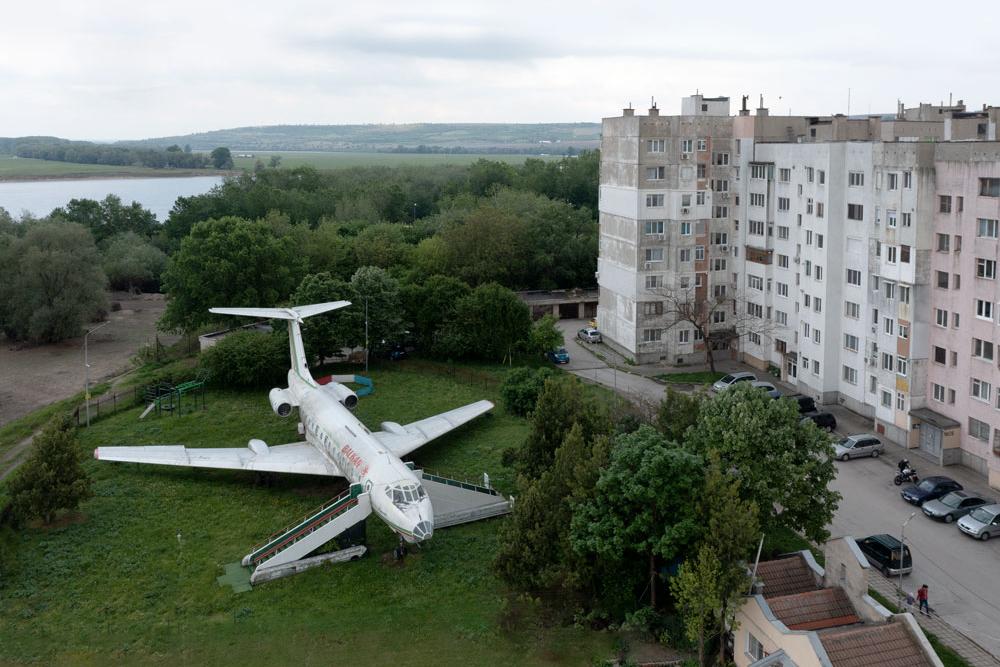
In the spring of 2022, Bulgarian military aircraft used during the Cold War suddenly became hot news. Should Bulgaria offer its old Soviet MiG- 29s to Ukraine, or shouldn't it? The debate went beyond the usual division between "hawks" and "doves." For some, sending the MiGs would help Ukraine to defend itself against an aggressor. For many more, including the Bulgarian president, himself a former fighter pilot, such a move would leave Bulgarian airspace unprotected, as some recently purchased US F-16s were yet to arrive.

Comments: 0

Read more Add new comment

MONUMENTAL WOES

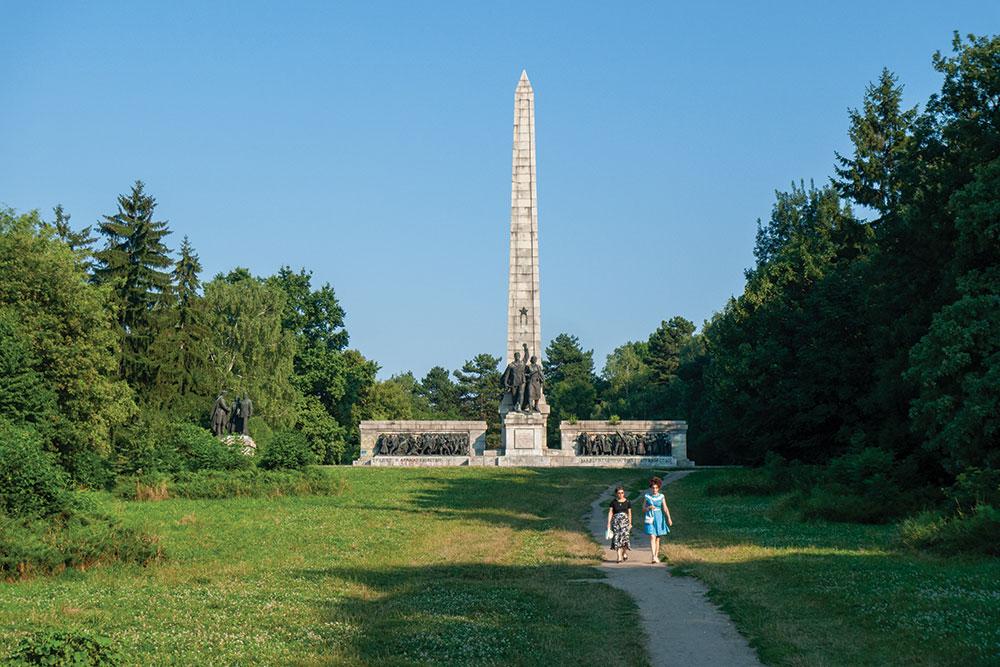
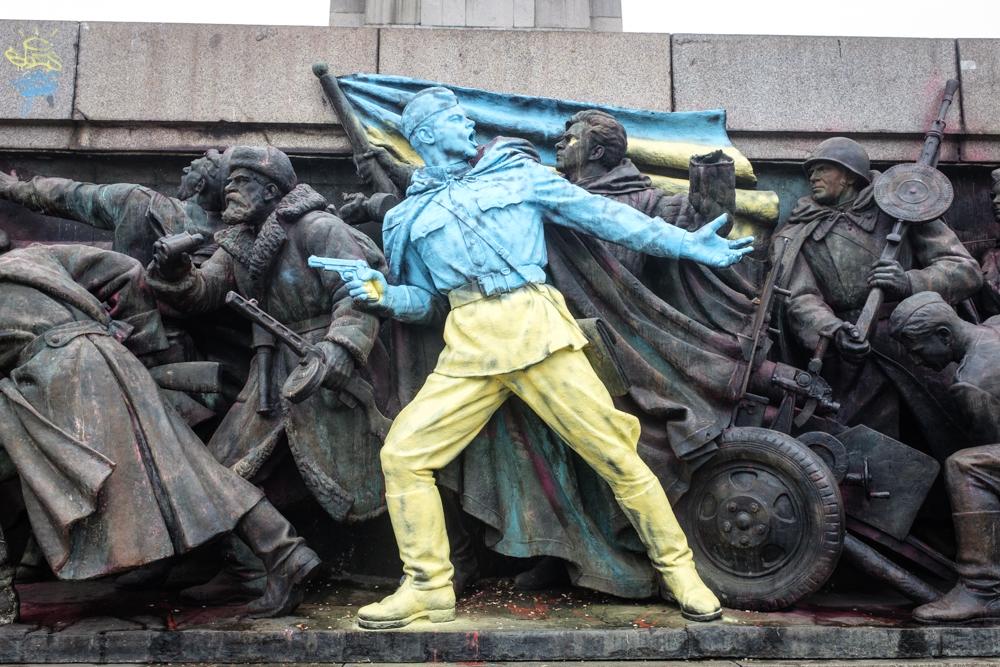
One of the attractions of the Bulgarian capital, the 1950s monument to the Red Army, may fascinate visitors wanting to take in a remnant of the Cold War, but many locals consider it contentious. Recently Traycho Traykov, who was an economy minister for Boyko Borisov and is now mayor of the Sofia borough of Sredets, voiced his determination to have the monument "disassembled" and some of its many effigies of Russian soldiers and welcoming Bulgarians placed in a museum.

Comments: 0

Read more Add new comment

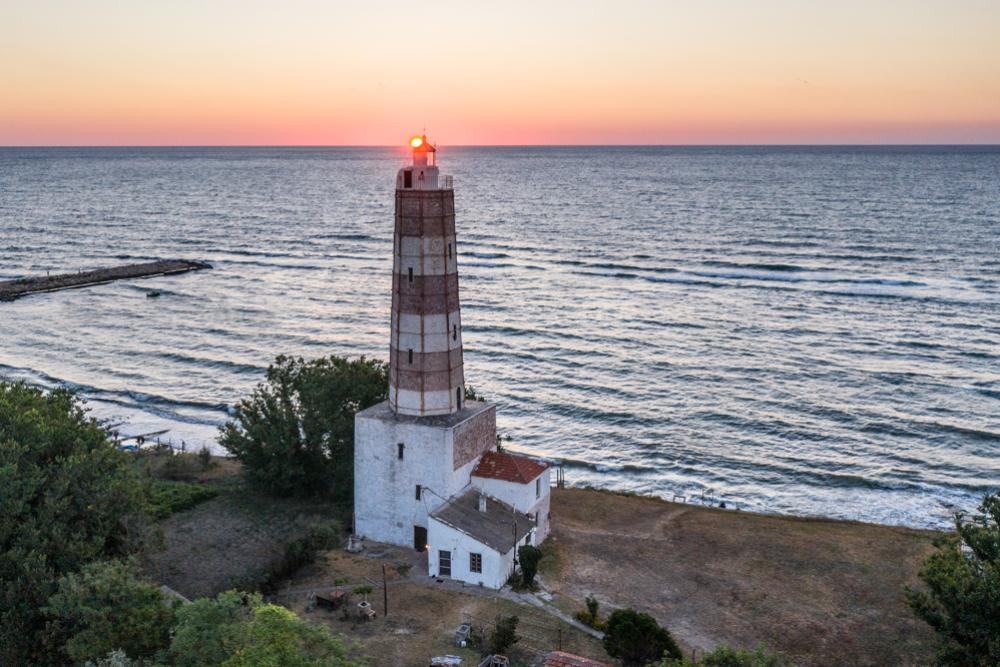
SHABLA: HIDDEN GEM TUCKED BETWEEN SEA AND LAND

Some cannot get enough of its beaches, beauty spots and tourist amenities, while others lament that much of its calm and pristine nature has been lost to overdevelopment. History lovers point out that the ancient Thracians, listed among the forefathers of modern Bulgarians, were masters of the choppy waters of the Black Sea long before the Greeks arrived and settled along its coastline, in the 7th-5th centuries BC. Foodies can talk at length about the superior taste of its bonito, turbot and sprat.

Comments: 0

Read more Add new comment

DARK TALES IN BELENE

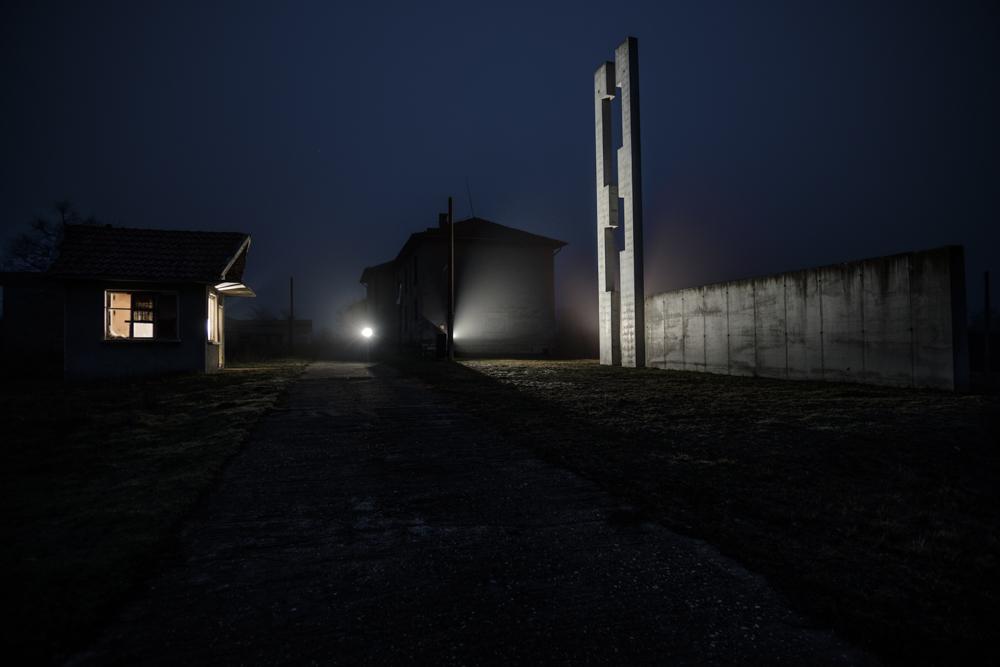
Belene is a backwater of a town on the Bulgarian bank of the River Danube. It is inhabited by less than 8,000 people. Yet, for more than one reason, its name is known to all Bulgarians.

To some, it is the location of a planned nuclear power plant whose failure to materialise illustrates how corruption and incompetence in post-Communist Bulgaria can ruin what was to become a major power engineering project. To others, it is synonymous with the most atrocious crimes of the former Communist regime.

Comments: 0

Read more Add new comment

PREFAB SOCIETY

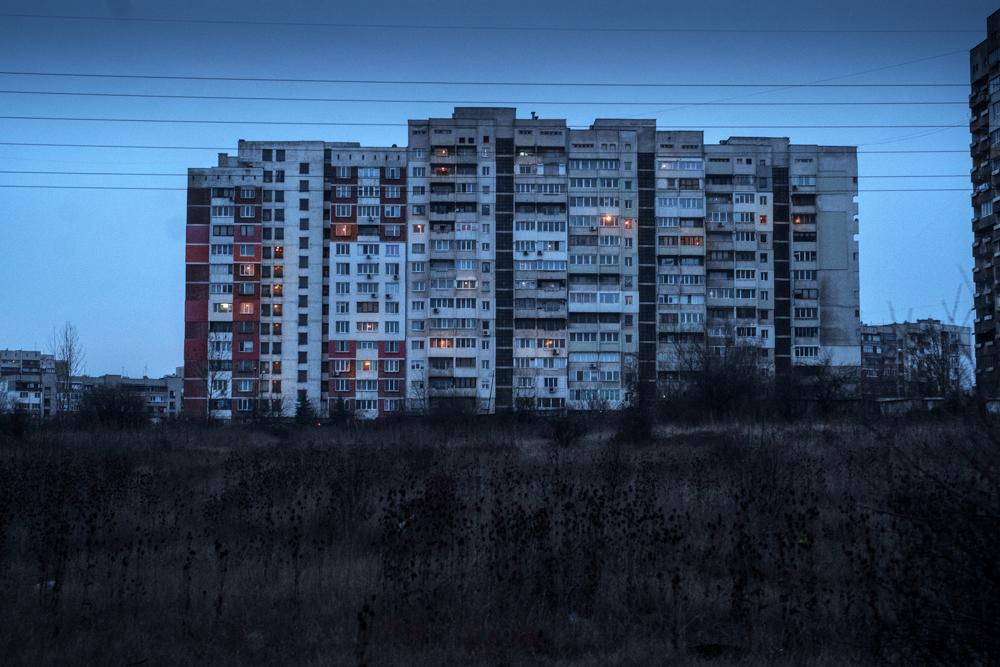
With the mountains for a backdrop and amid large green spaces, uniform apartment blocks line up like Legos. Along the dual carriageway, 7km from the centre of Sofia, the underground comes above ground: Mladost Station.

Comments: 0

Read more Add new comment

BULGARIA'S SPECTACULAR MANMADE LAKES

Throughout the 19th and 20th centuries, industrial development has taken its toll on communities and landscapes. Polluted air, water and soil, the destruction of nature and a decimated biodiversity are all its consequences. However, in some cases industrial development has created beautiful and even stunning landscapes. Most often this is the case with artificial bodies of water, resulting from the construction of dams.

Comments: 0

Read more Add new comment

COLD WAR REMAINS AT PADARSKO, BULGARIA

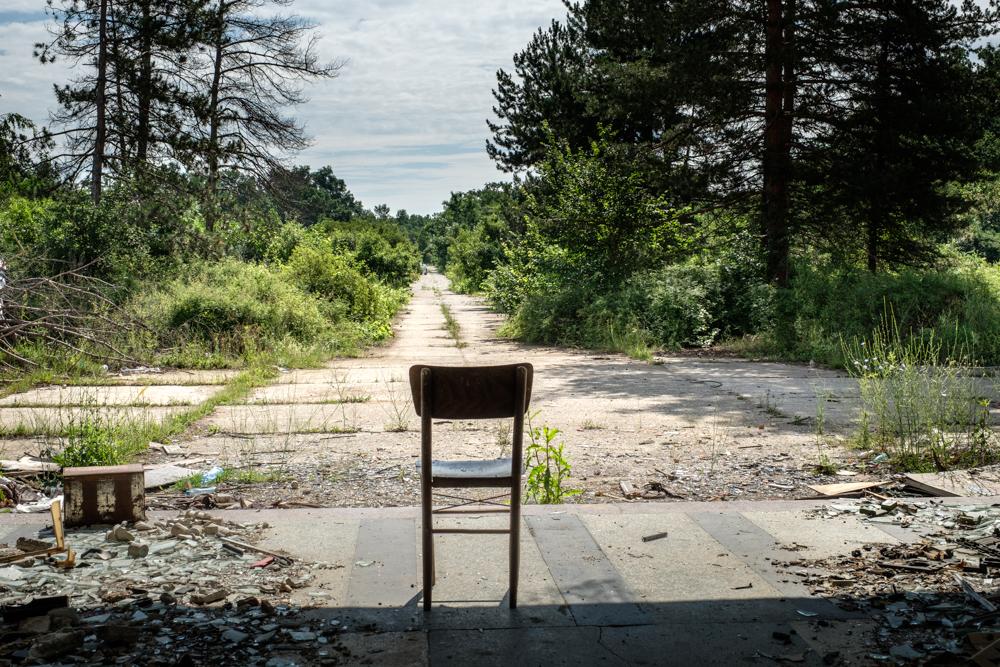
If you ever find yourself in the Thracian Plain northeast of Plovdiv, Bulgaria's second largest city that holds many enticements to both expats and casual visitors alike, you will probably be bored. You will be doing the 20-mile drive over farming flatlands with little to distract the traveller's attention than the occasional roadside vendor selling tomatoes and peppers, or sometimes a mini traffic jam caused by a tractor going too slow. Then, quite surprisingly for a Bulgarian flatland where you are usually able to see for miles around, you will enter a thick grove.

Comments: 0

Read more Add new comment

1,340 YEARS OF BULGARIA

When was Bulgaria founded? If you ask Google, be prepared for a travel through a rabbit hole of increasingly bizarre theories that use fanciful "evidence" to "disprove" the "ruling hypothesis" that Bulgaria came into being in 681. The most extravagant ones claim that Bulgarians are the oldest nation in the world, of course.

Comments: 0

Read more Add new comment

DAY OF ST GEORGE BULGARIAN STYLE

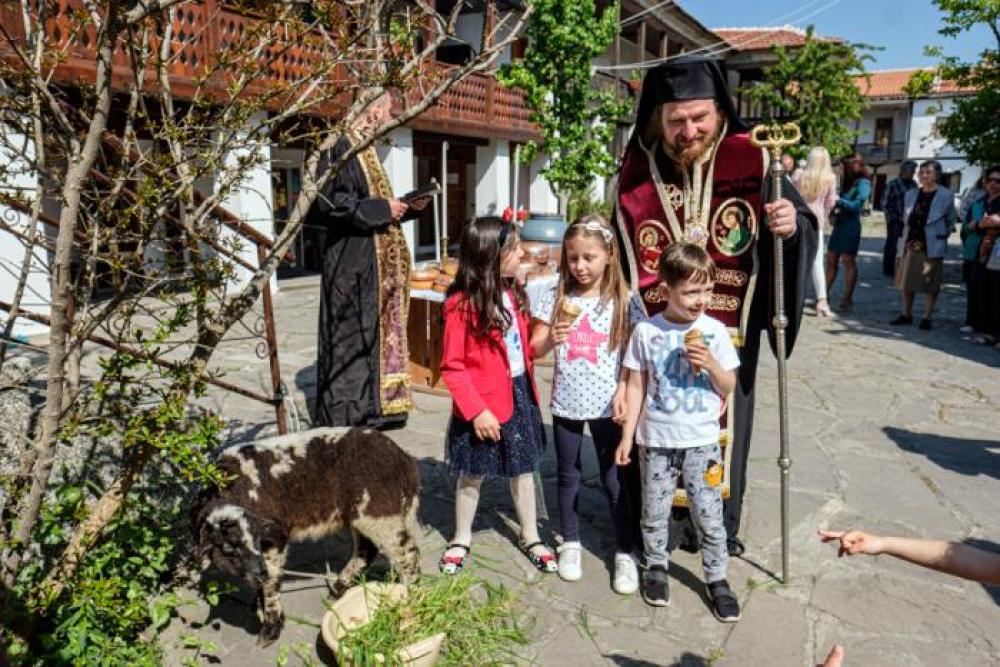
Bulgarians celebrate St George's Day, or Gergyovden, with enormous enthusiasm, both officially and in private. A bank holiday dedicated to valour, the Bulgarian аrmy and shepherds, 6 May is when some priests bless military banners while others in churches and monasteries consecrate lambs to be slaughtered and eaten communally. The army stages a parade in central Sofia and Bulgarian families gather to feast on lamb and celebrate the name-day of the ubiquitous Georgis and Gerganas among their ranks, all named after St George.

Comments: 0

Read more Add new comment

MESSAGE FROM THE TOP

Visual propaganda was key to promoting the Communist regime in Bulgaria between 1944 and 1989, and large-scale monuments on prominent heights played a crucial role. Massive, expensive and impressive they sent a clear message to the citizens of the People's Republic of Bulgaria about the inevitability of Communism, the eternal nature of the Bulgarian nation and its gratitude to Grandfather Ivan, a misnomer used, usually affectionately, for both Russia and the USSR.

Comments: 0

Read more Add new comment

THE DANUBE

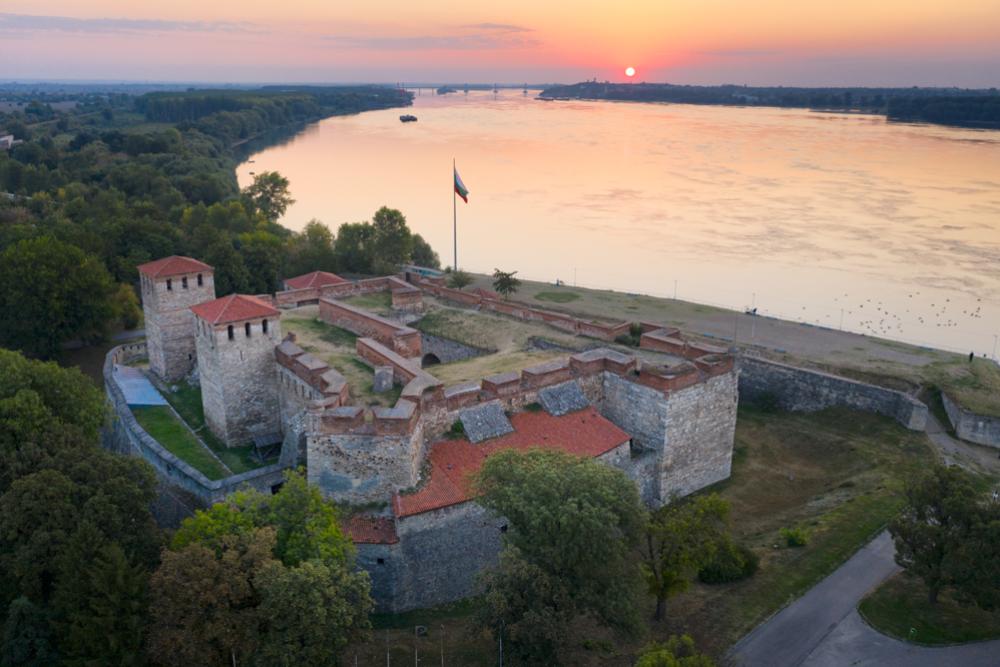
Hiding in plain sight is one of the best ways to avoid attention. There is a region in Bulgaria that has achieved that, although not quite intentionally. The Danube region is a treasure trove for visitors, yet few travellers venture along the 470-kilometre stretch from Vidin to Silistra that defines the greater part of Bulgaria's border with Romania. This is in sharp contrast to the popularity of the Danube as a tourist destination in Central Europe.

Comments: 0

Read more Add new comment

SOFIA'S PARTY HOUSE

"Where is the parliament?" A couple of months ago anyone asking this question in Sofia would have been pointed to a butter-yellow neoclassical building at one end of the Yellow Brick Road. Imaginatively, it resembles the Paris Opera House and has the Belgian national motto, "Unity Makes Strength," above its main façade, looking onto the statue of a 19th century Russian tsar on horseback. This was the place where Bulgarian MPs used to gather to do whatever they were supposed to do.

Comments: 0

Read more Add new comment