

Communist Bulgaria

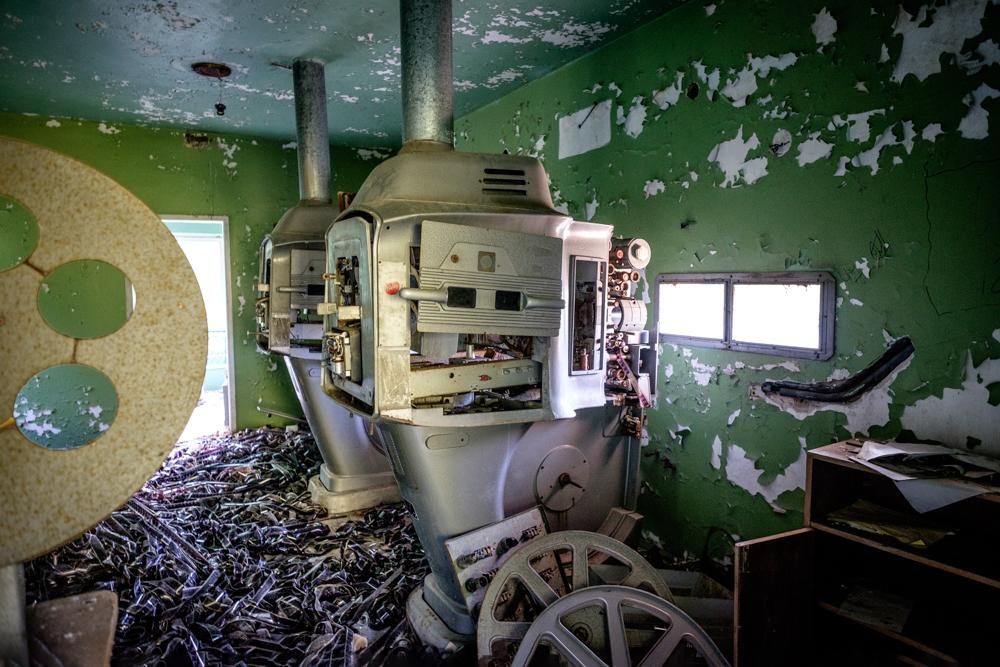
CINEMAS OF COMMUNISM

A few years ago, a niece of mine, a young teenager from a mid-sized Bulgarian town, got into a bitter dispute with her best friend who happened to live in the larger Ruse, over one question: what is a cinema? A cinema is a place where people go to watch movies, the girl from Ruse said. No, cinemas are shopping centres, my niece insisted.

Comments: 0

Read more Add new comment

FASCINATION OF OLD AIRPLANES

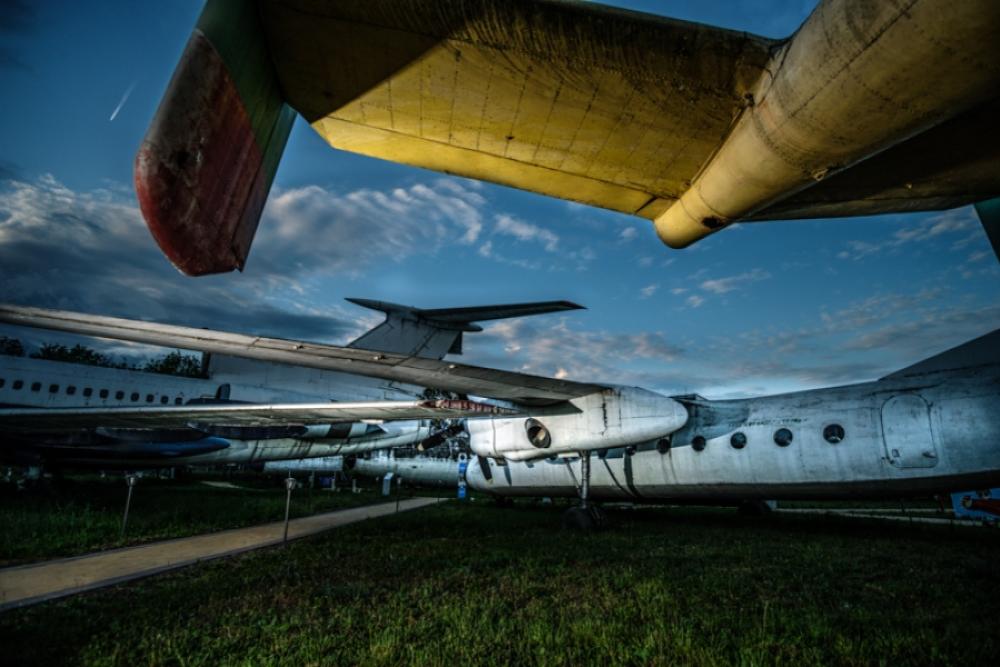
You do not need to be particularly interested in old aircraft to enjoy the Burgas Aviation Museum, but visiting it could lead to a new interest in your life. Established in 1998 as a part of Burgas Airport, in 2017 the exhibition was revamped to appeal to the modern visitor.

The collection is a good introduction to the nuts-and-bolts of aviation, and features nine aircraft that were in service during the time of Communism, when the country relied heavily on Soviet planes.

Comments: 0

Read more Add new comment

COMMUNIST BULGARIA GOES TO HUNGARY

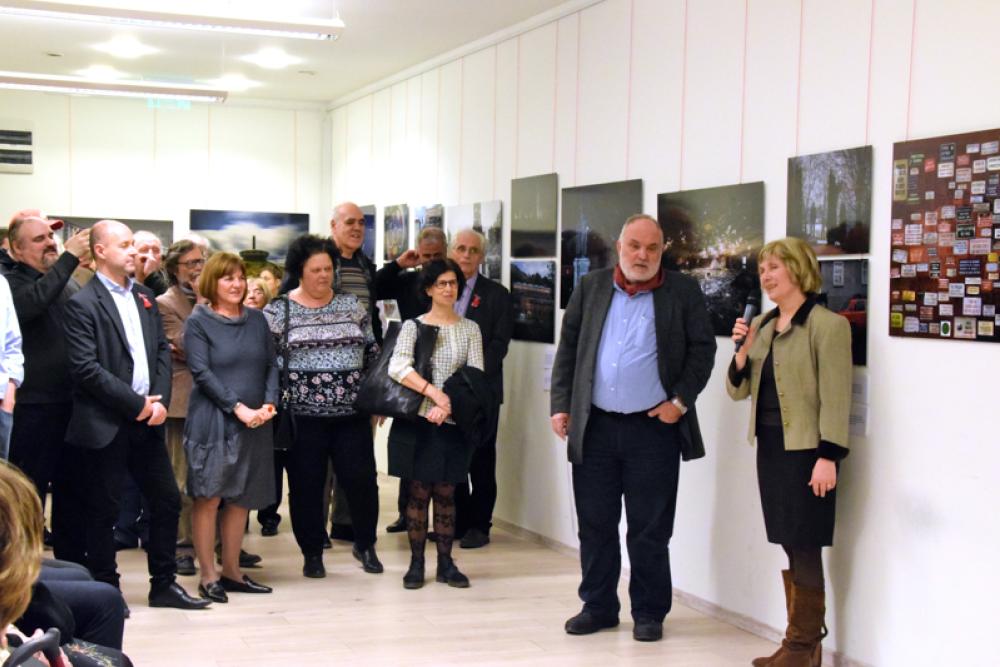
Through vivid and at times poignant images Communist Bulgaria shows what has remained of this country's Communist material heritage. Included are some would famous sites such as the Communist Party Memorial House on Mount Buzludzha, popularly referred to as The Flying Saucer of Communism, downtown Sofia with its Stalinist architecture, and many monuments of Second World War resistance fighters. Thirty years after the collapse of the Iron Curtain most have been abandoned and are in various stages of decay, exuding eerie, even otherworldly vibes.

Comments: 0

Read more Add new comment

WHO WAS MAGDALINA STANCHEVA?

Walking around Central Sofia is like walking nowhere else, notwithstanding the incredibly uneven pavements. A mixture of buildings in a range of time periods and styles define the Bulgarian capital: Roman fortifications and early-Christian buildings rub walls with medieval churches, former Ottoman mosques and fine fin-de-siècle residential houses. Over these loom monstrous buildings in the Stalinist Baroque style and soulless glass-and-concrete concoctions built after the 1990s.

Comments: 0

Read more Add new comment

10 OUT OF 100

One of the most enduring tourism movements that several generations of inquisitive Bulgarian travellers have fond memories of is called 100 National Tourism Sites. It started all the way back in 1966 and, with significant modifications, continues to this day. Essentially, travellers are encouraged to visit selected attractions throughout Bulgaria and have their membership booklets stamped. In the past, whoever got 50 stamps was awarded a bronze badge.

Comments: 0

Read more Add new comment

ON COMMUNISM, ANTI-COMMUNISM AND WHAT COMES AFTER

Among his many interests Communism – and what supersedes it – has had a special place on his rostrum. In his telltale style of combing the mundane with the philosophical, even allegorical, Lozanov begins this conversation, in his office at the Bulgarian Telegraph Agency located at Sofia's main thoroughfare that used to be called Lenin, by pondering over when exactly Bulgarian Communism ended.

There are two answers to this question. One is historical: Communism ended when former Communist leader Todor Zhivkov was toppled on 10 November 1989.

Comments: 0

Read more Add new comment

HOLY MOTHER OF GOD FROM... HASKOVO

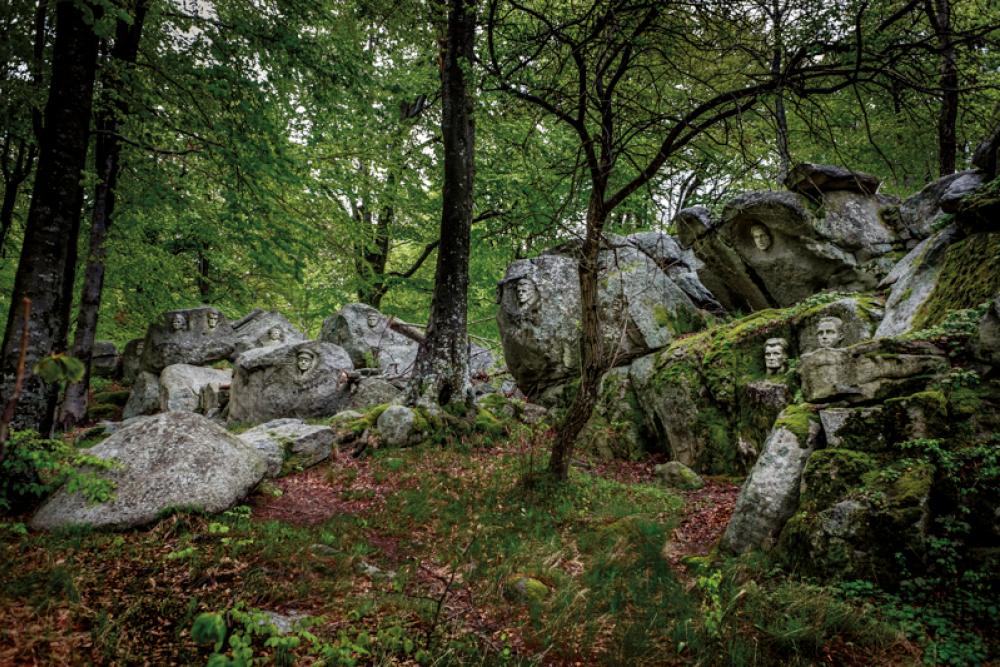
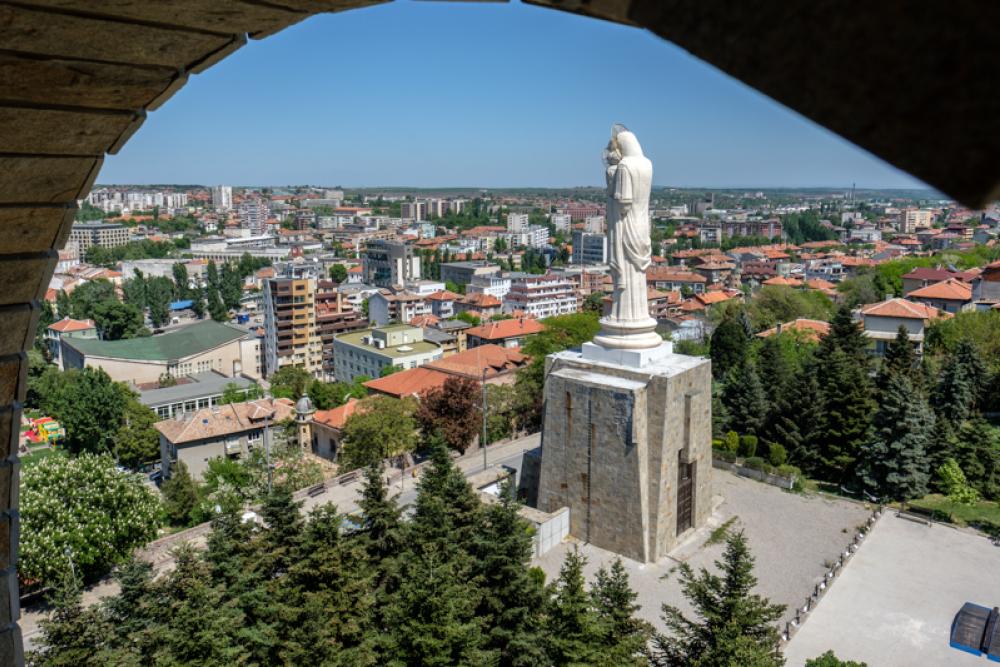
The statues that adorn Bulgarian squares, streets and historical sites represent this nation's modern history in miniature, but not always in the way their creators intended. Monuments built in 1878-1944 are elegant and relatively small in scale, in the best traditions of realism. Communism was the time of gigantic monstrosities of exposed concrete and steel that tended to symbolise the Communist Party's grip over society rather than evoke patriotic feelings. In the 1990s, few monuments were erected in Bulgaria: times were hard, and there was no money to spend on basics, let alone statues.

Comments: 0

Read more Add new comment

WHO WAS PENYO PENEV?

In 1949, when hundreds of young Bulgarians enthusiastically built Dimitrovgrad, an entire town that would supposedly epitomise the triumph of Communism in their country, a 19-year-old man joined them. He was Penyo Penev. Born in the village of Dobromirka, near Sevlievo, he was one of the thousands of Brigadiri, or young "volunteers" working on Communist infrastructure projects, and was attracted by the idea of building Dimitrovgrad, the "City of Dreams."

Comments: 0

Read more Add new comment

WHO WAS LYUDMILA ZHIVKOVA?

Long-dead daughter of Communist dictator still stirs controversy

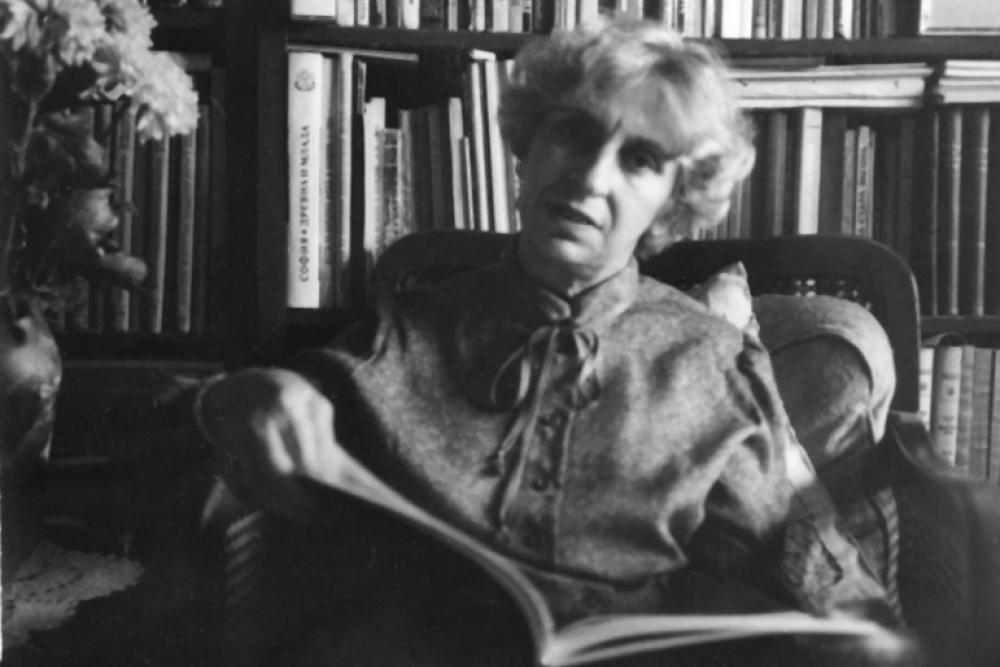
Her father's daughter who imposed her own mediocrity on Bulgaria's culture? Or a forbearing politician who revived interest in Bulgaria's past and placed the country on the world map? Or a quirky mystic? Or a benefactor to the arts?

Comments: 0

Read more Add new comment

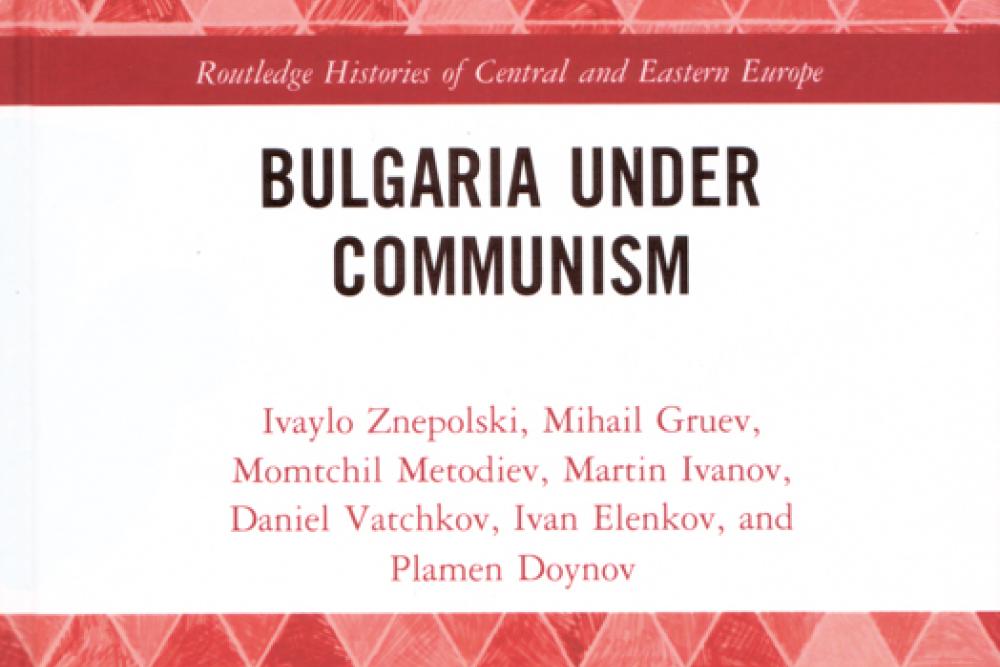
BULGARIA UNDER COMMUNISM: NEW BOOK IN ENGLISH EXPLORES RECENT PAST

A new book, Bulgaria Under Communism, published by Routledge in 2018, fills the gaps for English speakers. Written by Professor Ivaylo Znepolski and historians from the Bulgarian Institute for Research of the Recent Past, the volume covers the most important aspects of Bulgaria as a Communist country. It provides all the background needed for a person unfamiliar with Bulgarian history to understand how and why Communism took over, in 1944. It also explores the profound transformation of Bulgarian politics, society, economy and culture in the 45 years that followed.

Comments: 0

Read more Add new comment

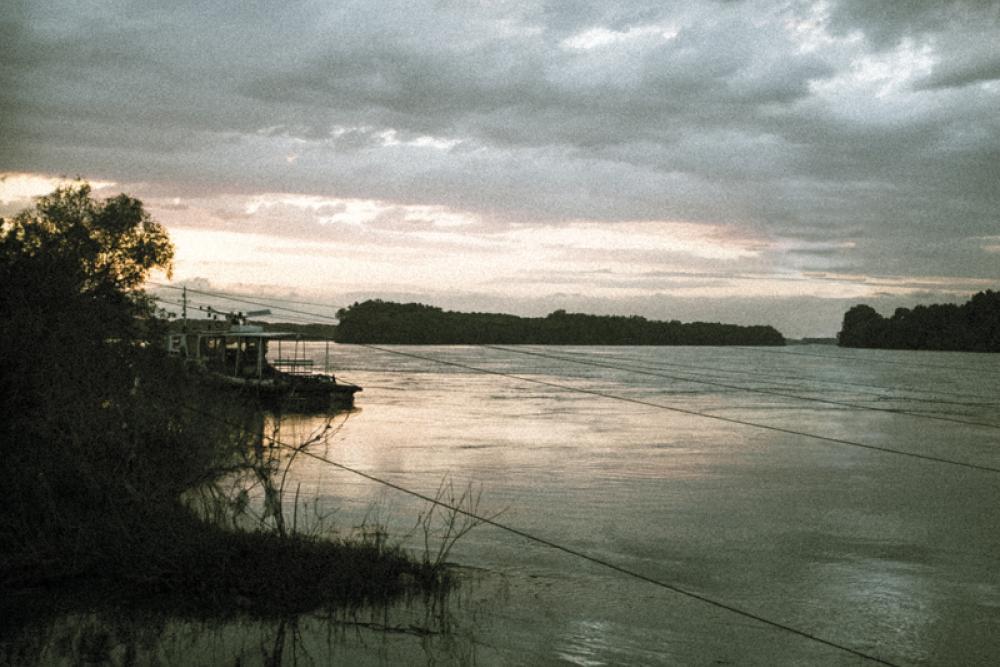
HORROR ISLAND

If there was a competition for the most surreal road sign in Bulgaria, Belene would be a top contender. The standard signposts in the centre of this 8,300-strong town on the Danube list the following places of interest. First is "Municipality," the building of the City Council. Then comes the Bus Station. And then – hold your breath – you can choose to go to either the Nuclear Power Plant or the Prison.

Comments: 0

Read more Add new comment

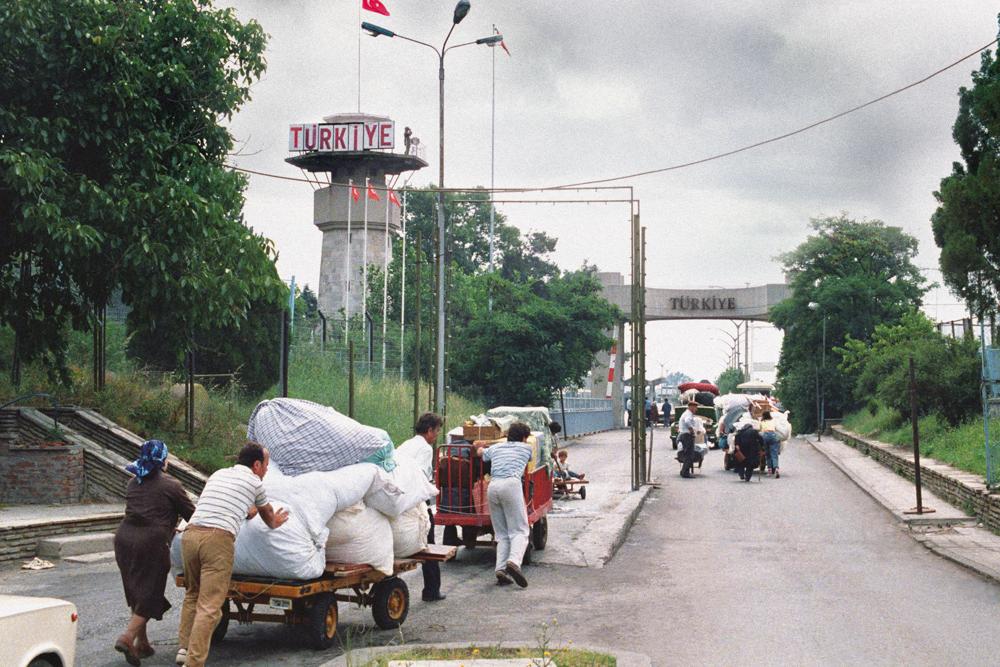
THE SUMMER OF THEIR DISCONTENT

On 15 September 1989 the school year began in an unusual way. Our class teacher announced in a stern voice: "Children, we have to be very happy that Marin did not leave for Turkey. If he had, he wouldn't now be sitting at his desk; he would be shining shoes on the streets of Istanbul instead. But he and his family remained here because they know that their true motherland is Bulgaria, not Turkey."

Comments: 0

Read more Add new comment