

Bulgarian art

SEARCHING FOR BLOKE

Splendid saints, bosomy beauties in "traditional" costumes, saccharine angels: in the past decade, large scale wall paintings on concrete apartment blocks, business and public buildings in Sofia have flourished. The unveiling of the largest ones, particularly when Boyko Borisov's Sofia Municipality is involved, attracts media attention and results in an avalanche of posts, photos and shares.

Comments: 0

Read more Add new comment

FROM GHOST TO LOUVRE

Whenever the Louvre is mentioned, most people think of tourists elbowing their way for a selfie with the Mona Lisa, the once controversial glass pyramid and the protagonist of a thriller searching for (spoiler alert) Jesus Christ's bloodline. In 2017, the number of Louvres in the world doubled with the opening of Louvre Abu Dhabi, an UAE-French partnership with ambitious architecture and an even more ambitious, multimillion-dollar programme for purchasing and loaning items of art.

Comments: 0

Read more Add new comment

WHO WAS GEO MILEV?

Poet who lost an eye in the Great War, changed Bulgarian literature - and was assassinated for his beliefs

For most foreigners, their only contact with Bulgaria's poets are the monuments of the 19th-century revolutionary Hristo Botev that have been erected all over the country, and Sofia's most beloved sculpture, the Slaveykovs, father and son, in the eponymous square.

Comments: 0

Read more Add new comment

THE IRISHMAN WHO DANCED THE HORO

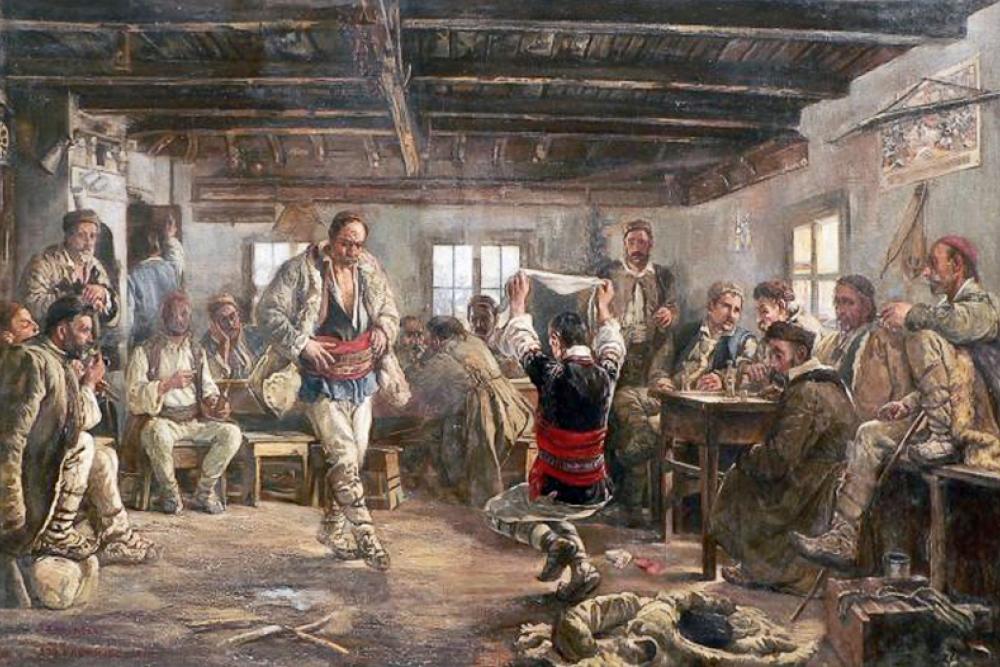
It is an image that stays in the mind. In a brightly-lit, austere tavern, a pair of men in traditional Bulgarian costume dance, surrounded by onlookers. Rachenitsa is a horo popular all over Bulgaria and is usually danced by one or two men, not holding hands, but on their own. Famous for its difficulty and the stamina required, in the olden times it was used as a competition between rival parties.

Comments: 0

Read more Add new comment

HELL IS NO JOKE

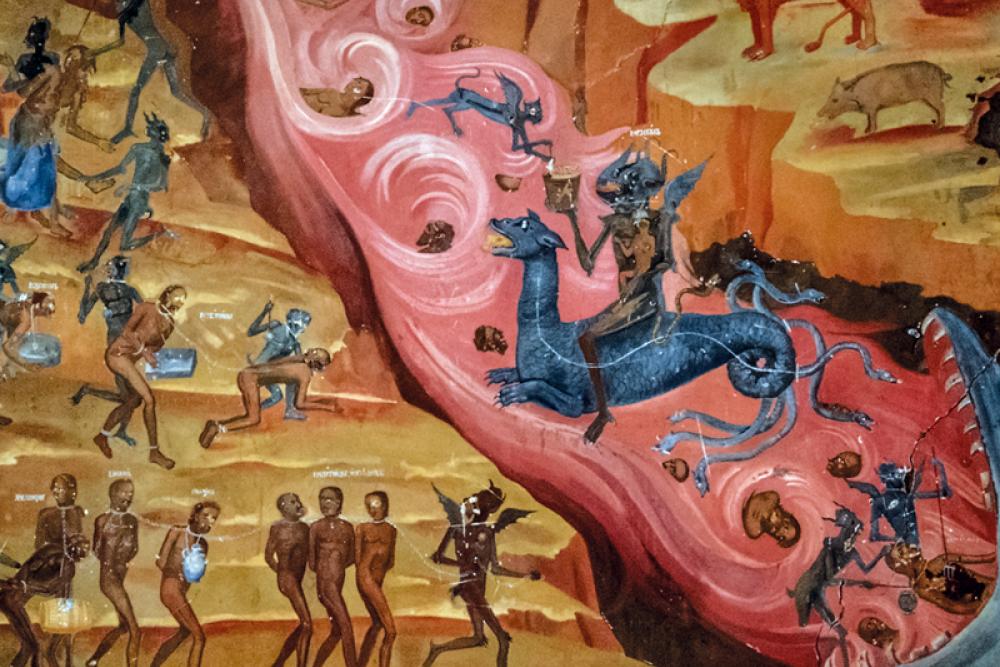
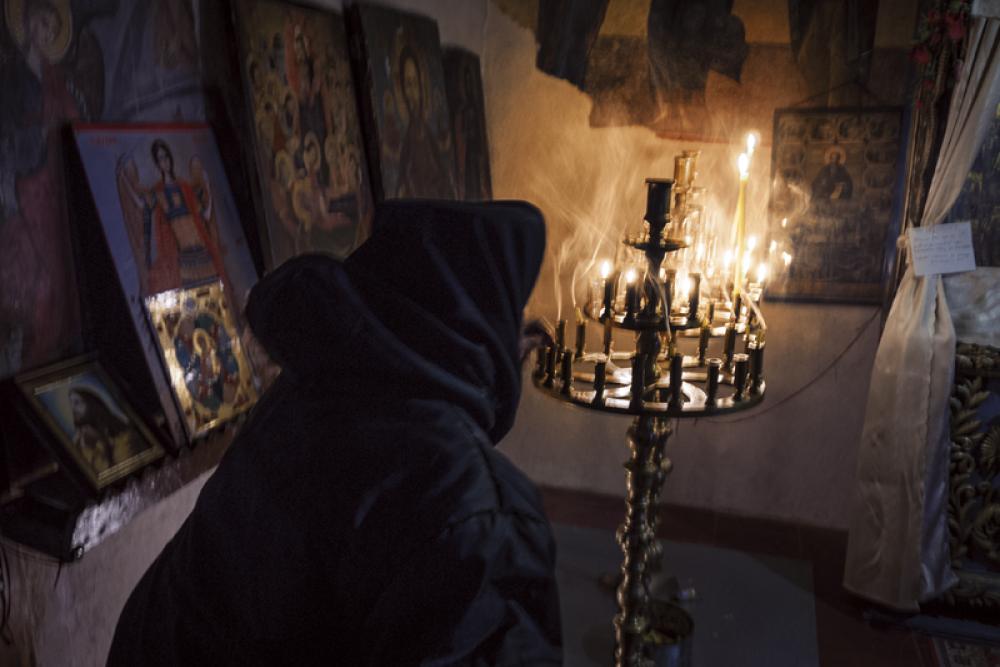
The architecture? The silver-haloed icons of the Virgin Mary? The elaborate carvings of the icon doors? These may all be astonishing, but have you noticed the river of fire, on the outside western wall of most of the churches, flowing towards the gaping mouth of a dragon-like monster? Have you bent to see in detail the devils in the flames? Have you wondered what were the crimes of the sinners they torture?

Comments: 0

Read more Add new comment

PAVEL KOYCHEV'S ART BY THE HIGHWAY

This time, the hidden gem of Bulgaria is modern art.

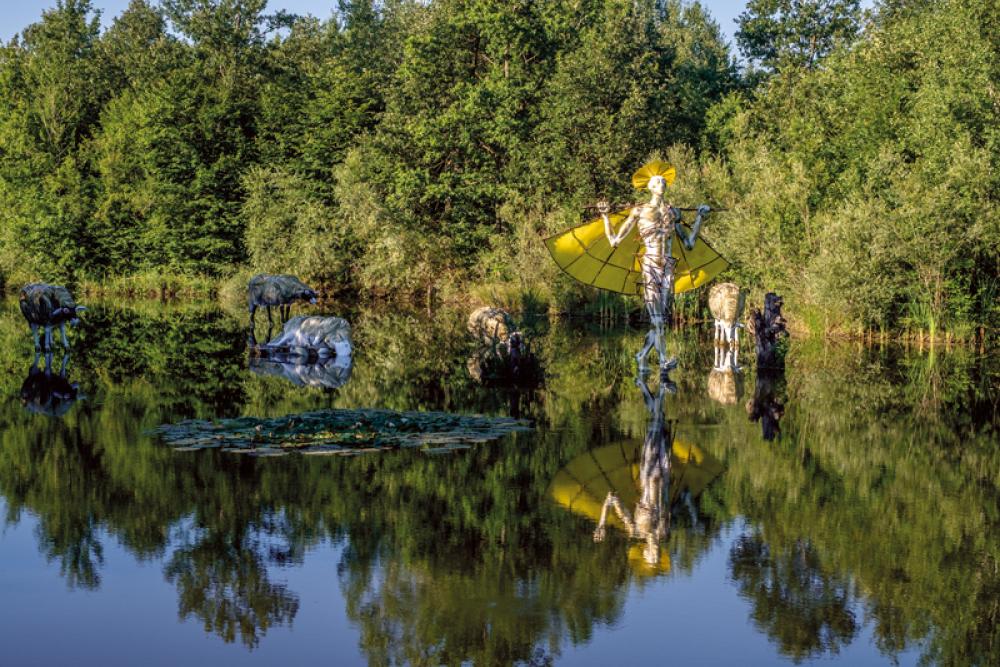
The signs for the Originals Art Gallery lead you to a larger-than-life, white shepherd with a bright yellow cloak, leading his flock to the still waters of a small creek. The Vodna pasha, or Water Grazing, installation by Bulgarian sculptor Pavel Koychev is a mesmerising reflection on contentment and the connection with nature and appeared here first for a short time in 2009.

Comments: 0

Read more Add new comment

THE BULGARIANS*

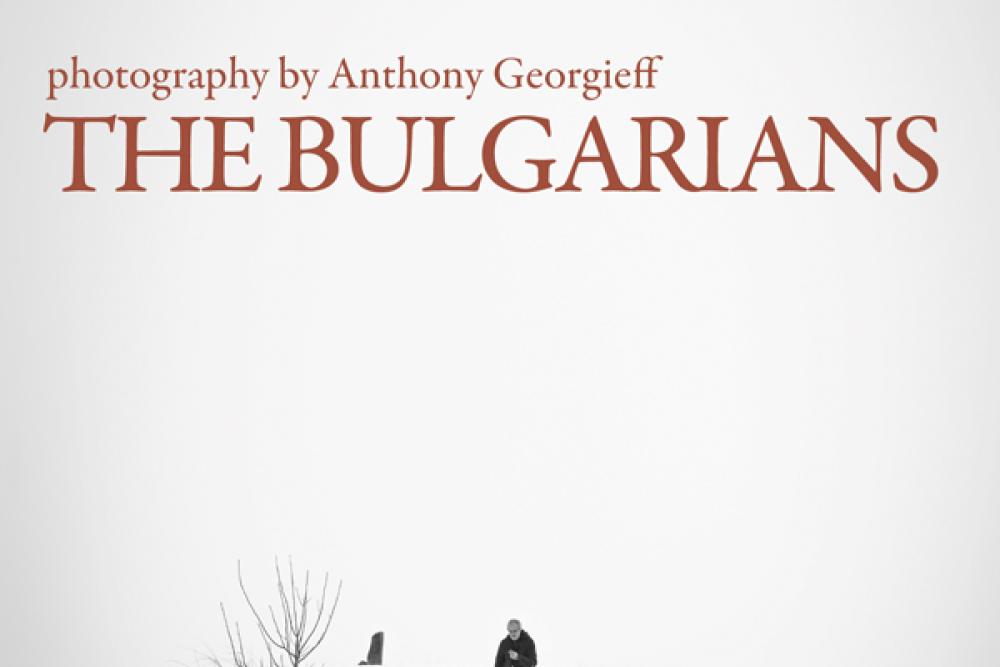
Later on, unless you go on to become a member of a nationalist party, you don't feel any particular need to remind yourself of "I am a Bulgarian." Such a statement, despite its straightforwardness, could invoke a measure of uncertainty, like the invisible steps on the front cover of this book. It is not because you could be something else than a Bulgarian, but because the affirmation presupposes a previous agreement between yourself and your compatriots about what it is that makes you Bulgarian and what makes Bulgarians a community.

Comments: 0

Read more Add new comment

BULGARIA'S ODD SCULPTURES

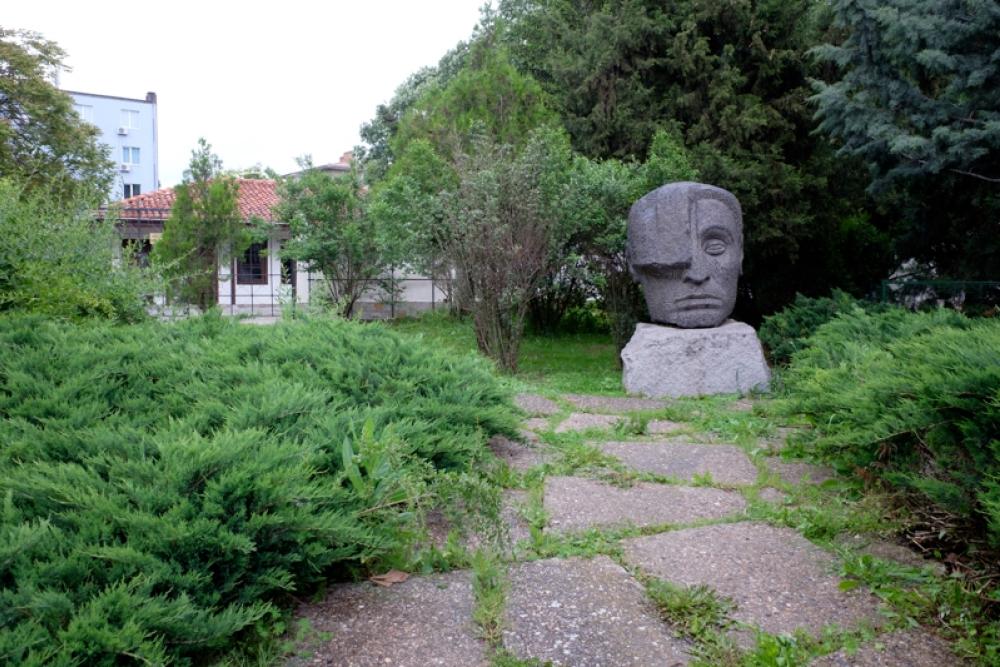
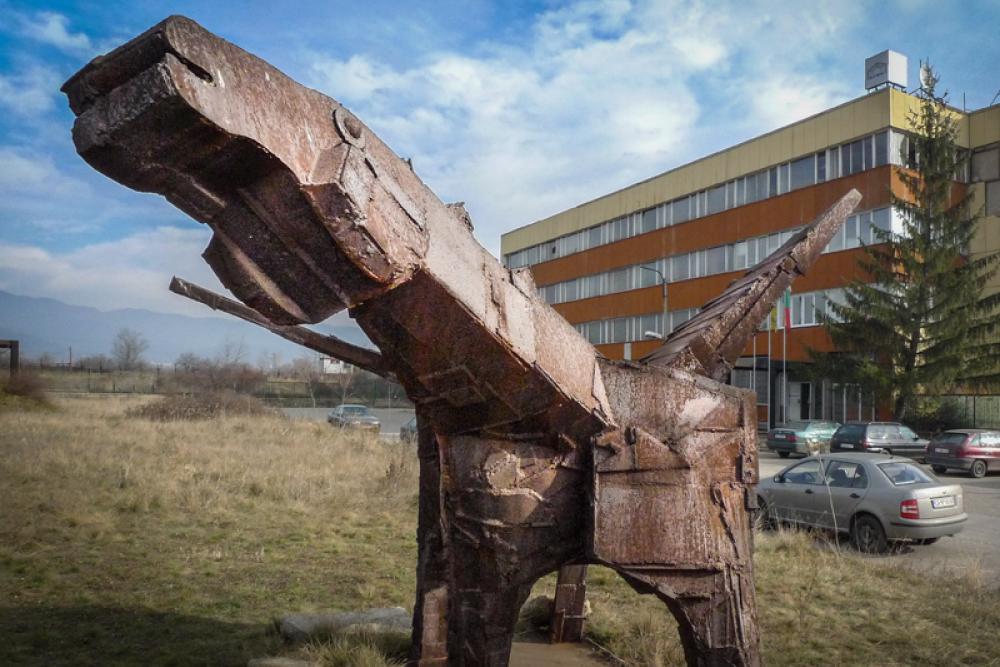
Strange proportions, unusual materials and extravagant designs: quirky sculptures can be found all over the world, and Bulgaria is no exception. In addition to the monumental angular creations of Socialist Realism and the sometimes traditional statues of historical figures, a number of other statues exist in the country, attracting the attention, the ridicule or the fury of passers-by. Many of these somewhat ridiculous monuments, however, were produced with very serious aims in mind. Some of them commemorate a prominent figure, a historical event, or a local curiosity.

Comments: 0

Read more Add new comment

CHURCHES OF ARBANASI

Comfortably spread out on a narrow plateau overlooking the dramatic landscape of Veliko Tarnovo, the traditional village of Arbanasi is something of a conundrum. It is an architectural heritage site, yet it is filled with mansions and hotels in dubious "traditional" style, all built in the past 15 years.

Comments: 0

Read more Add new comment