

PostCommunism

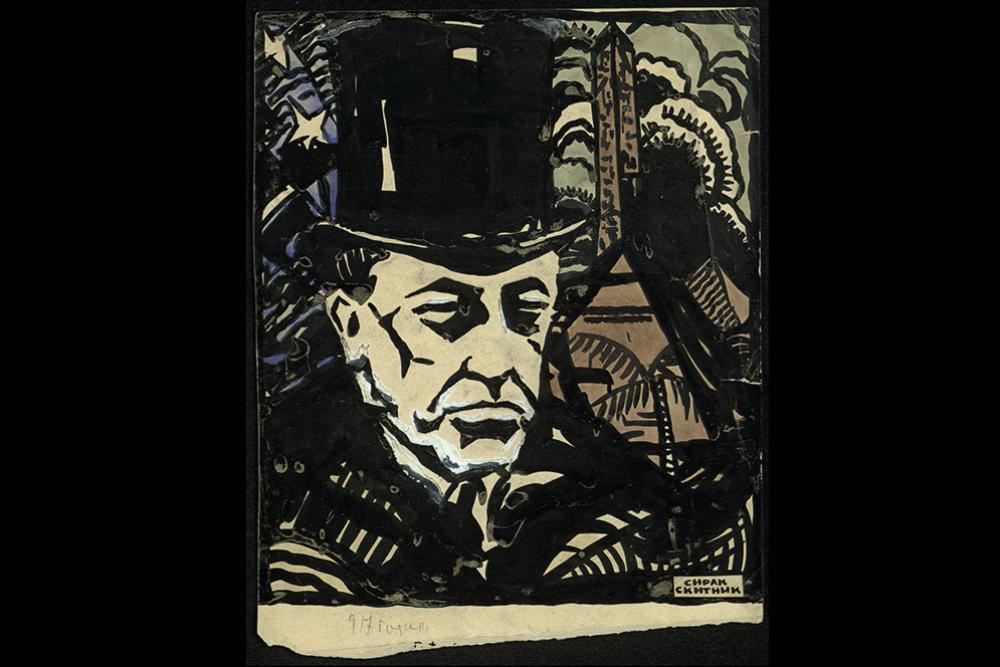
DEAD POETS SOCIETY

It has become a commonplace that a nation can be understood best by the sort of treatment it give its poets rather by its military victories or GDP levels. This notion may be a bit outdated in a world run by social media where electronic "devices" by far outnumber fountain pens, and where a "content creator" makes more than a teacher of literature. But it is still at least indicative. Bulgaria, whose writers and poets have been translated into English only sporadically, is a case in point. On the one hand, it is very proud of its literary heritage.

Comments: 0

Read more Add new comment
SORRY FATE OF BULGARIA'S 'SCIENTIFIC-TECHNOLOGICAL PROGRESS'

Bulgarians are present in many fields of modern science and engineering, from medicine to space exploration, pushing new boundaries and breaking new grounds. If you have not heard much about it, it is because the great majority of them work for foreign universities, scientific institutions and R&D teams. As a result of the decades-long neglect of the fundamental and the applied sciences and of engineering in Bulgaria, academically gifted Bulgarians go abroad the moment they graduate from secondary school.

Comments: 0

Read more Add new comment
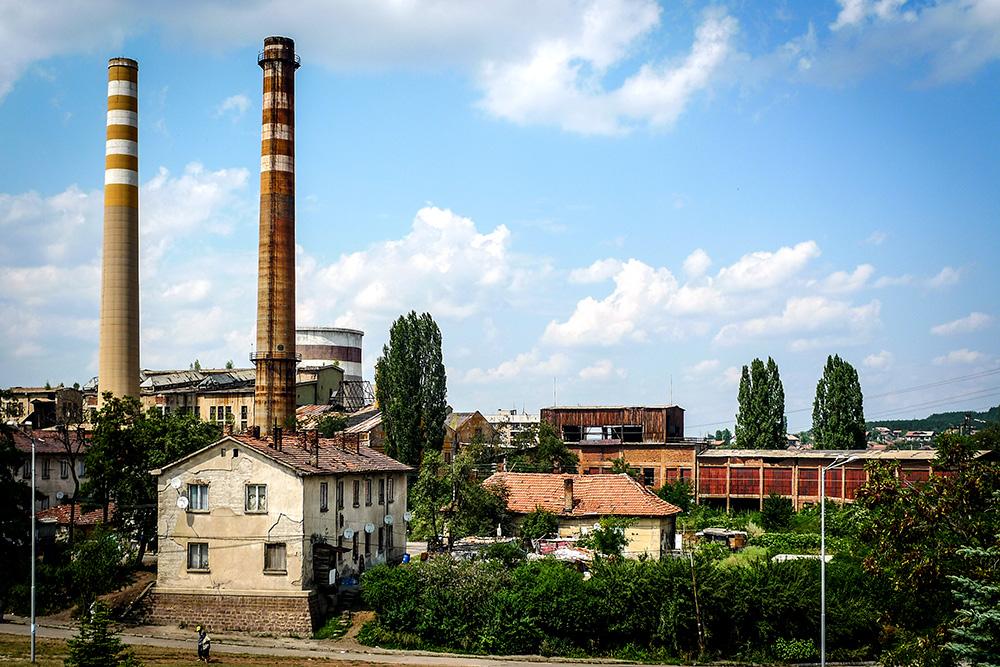
WHATEVER HAPPENED TO SUGAR FACTORY?

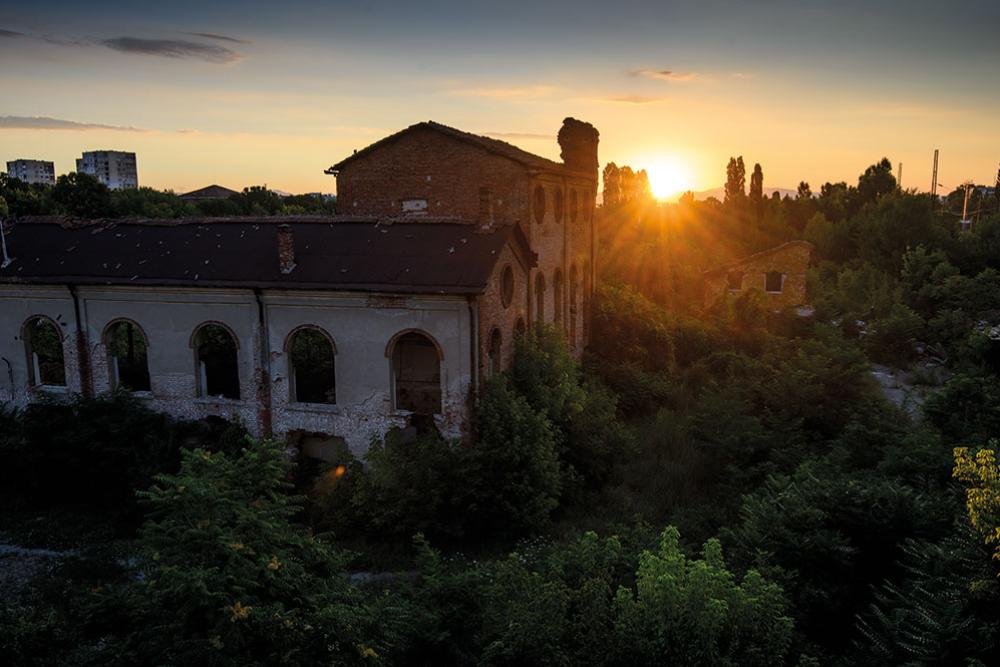
Faux industrial style is all the rage in new development in Sofia: brown and grey façades of fake bricks can be now spotted in both old neighbourhoods and gated communities on the city's outskirts.

But while new construction in Bulgaria aims to achieve the attractive weathered look of the repurposed 19th century warehouses and factory buildings that are now associated with the poshest parts of NYC, London and Hamburg, genuine old redbricks are slowly falling to ruins. Sofia's Zaharna Fabrika, or Sugar Factory, neighbourhood is one of the best – or worst – examples.

Comments: 0

Read more Add new comment
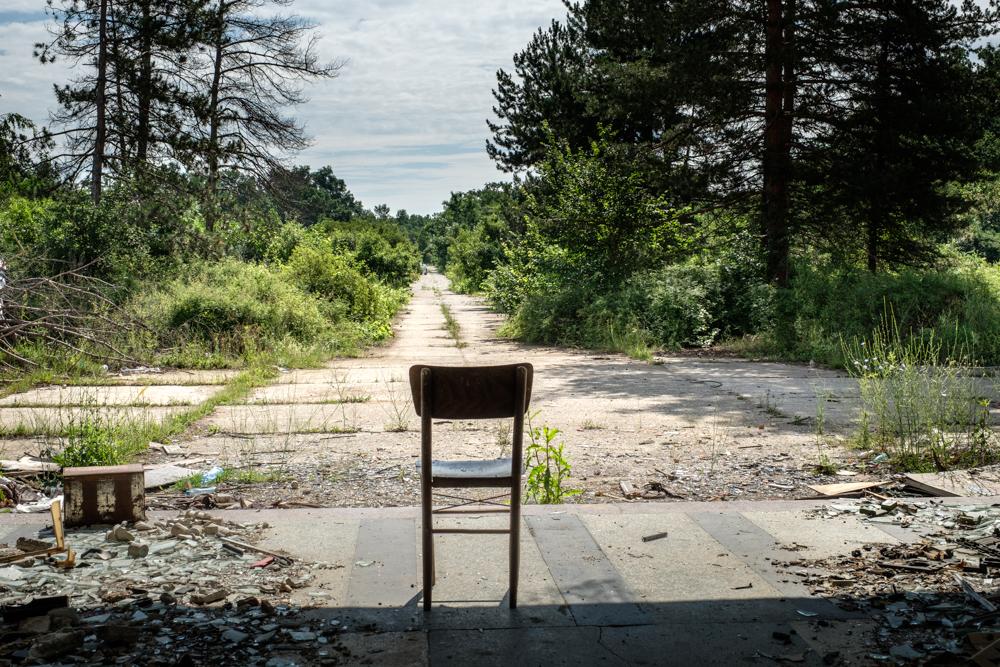
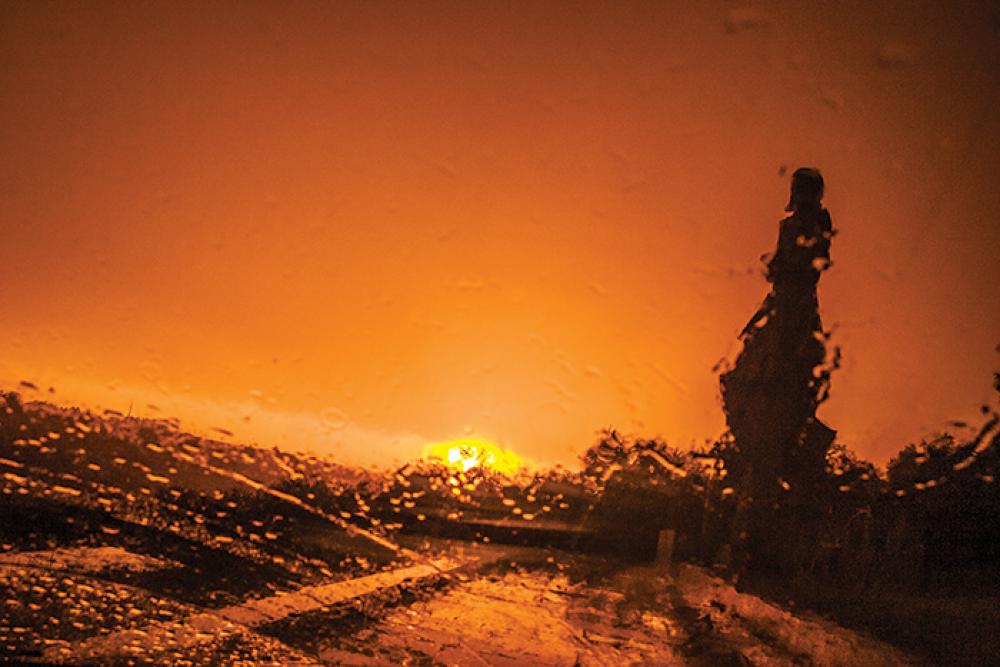
WALKING ON FIRE

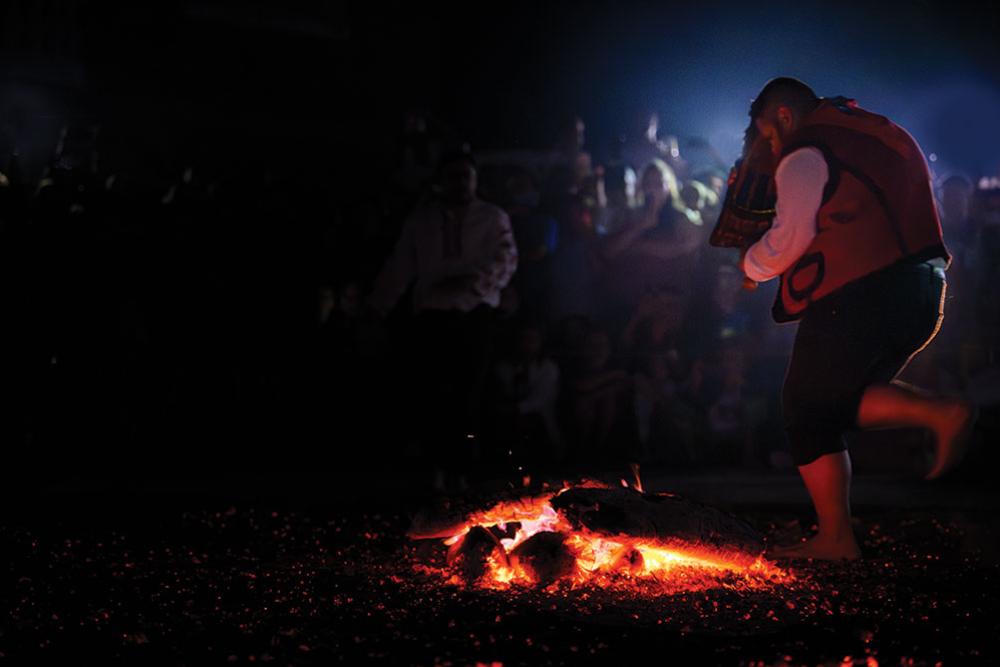
One of the emblematic sights associated with Bulgaria is a group of barefoot men and women clad in traditional village costumes dancing over live embers. This is nestinarstvo, or firewalking, a supposedly Christian rite, where firewalkers dance themselves into a trance and eschew the perils of fire.

Now firewalking is performed at tourist locations and even in restaurants, but the only place to see the real thing is in the village of Balgari in the Strandzha. It happens on the night of 3 June, the high day of Ss Constantine and Helena.

Comments: 0

Read more Add new comment

LA VIE EN ROSE

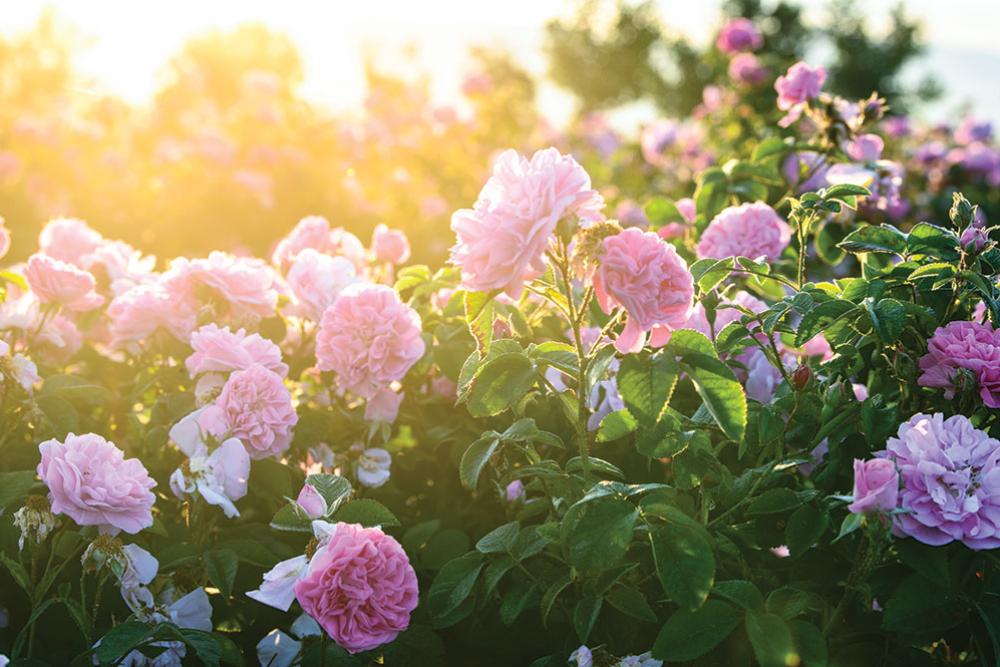
A plant that everyone knows but few have seen in real life: by selecting the oil-bearing rose as its unofficial symbol, Bulgaria has made an odd choice. This particular variety does smell divine but is not particularly beautiful. Its attar is vital for the global cosmetic industry, yet its production and sales make a tiny spec in the Bulgarian GDP.

Comments: 0

Read more Add new comment
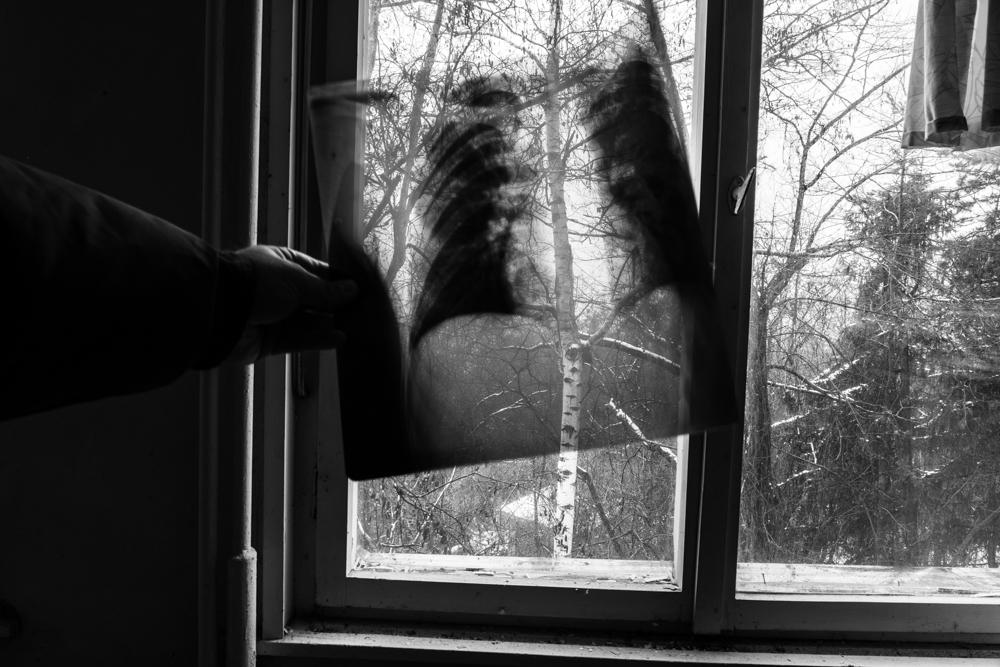
LAPSE OF TIME

Sofia, with its numerous parks, is not short of monuments and statues referring to the country's rich history. In the Borisova Garden park for example, busts of freedom fighters, politicians and artists practically line up the alleys. On some of those, like the 19th century revolutionaries and national heroes Vasil Levski and Hristo Botev, people still lay flowers.

Comments: 0

Read more Add new comment
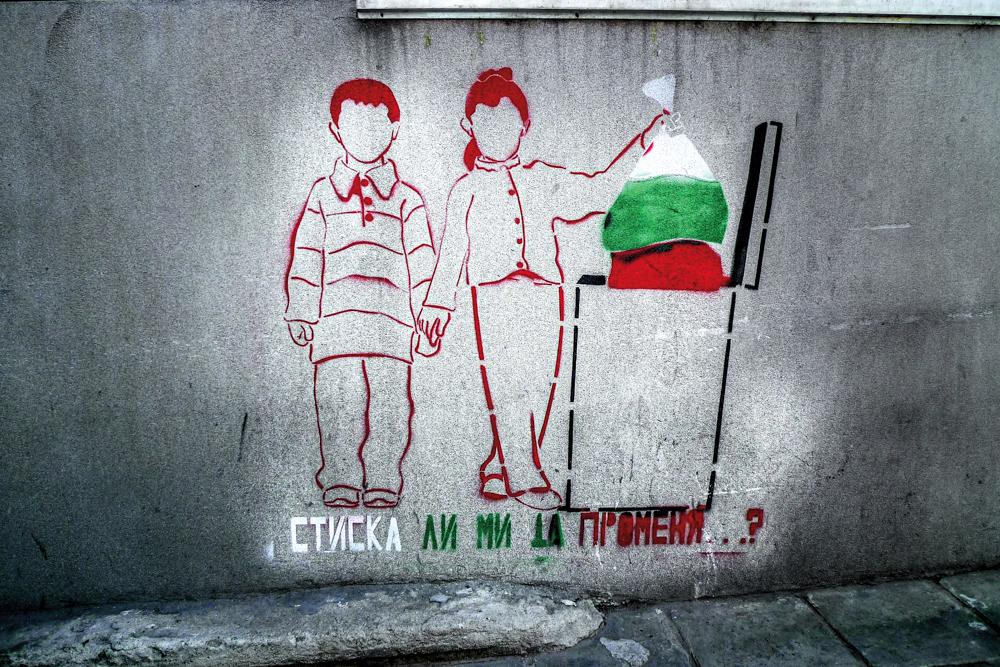
WHY DOES 'SORRY' SEEM TO BE THE HARDEST WORD?

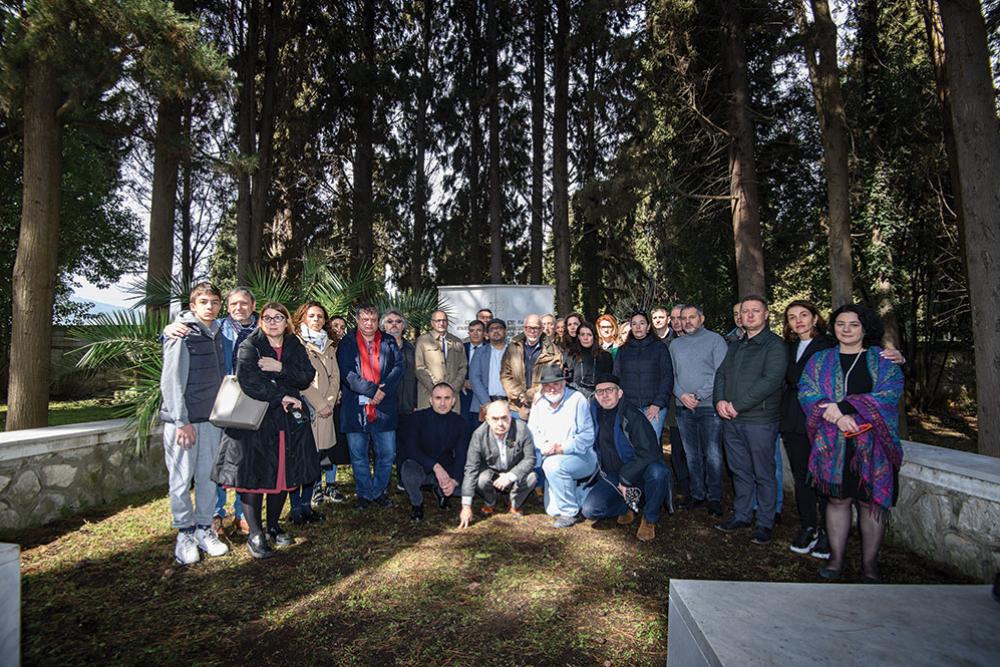
About 30 Bulgarians of various occupations, political opinion and public standing went to the city of Kavala in northern Greece, in March, to take part in a simple yet moving ceremony to mark the demolition of the Jewish community of northern Greece, which was effected by the Kingdom of Bulgaria when it annexed Aegean Thrace, in 1943. They included Alec Oscar, the chairman of the Shalom Organisation of Bulgarian Jews; Martin Zaimov, a political activist and former deputy chairman of the Bulgarian National Bank; Krasen Stanchev, an economist; and Manol Peykov, an activist and publisher.

Comments: 0

Read more Add new comment

VELIKO TARNOVO DELIGHTS

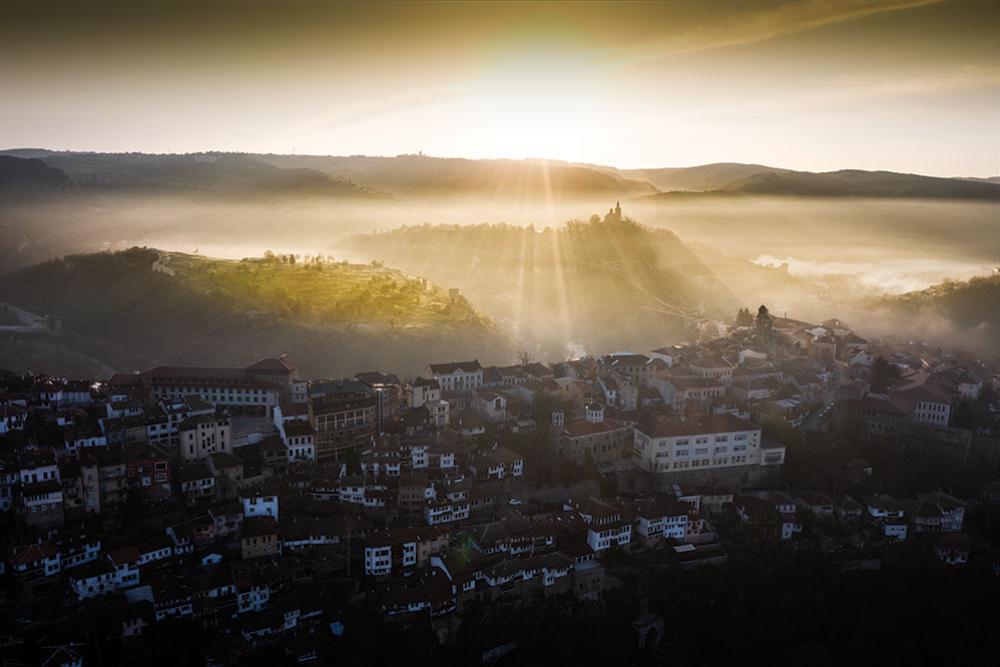
Perched on a twisty meander of the Yantra River, where the hills of the Danube Plain meet the northern slopes of the Stara Planina, Veliko Tarnovo has unparalleled topography in Bulgaria, and possibly the Balkans. Traditional 19th century houses cling above the steep river bends, connected by alleys and steps that defy both gravity and everyday convenience – but living in Tarnovo has never been about convenience.

Comments: 0

Read more Add new comment

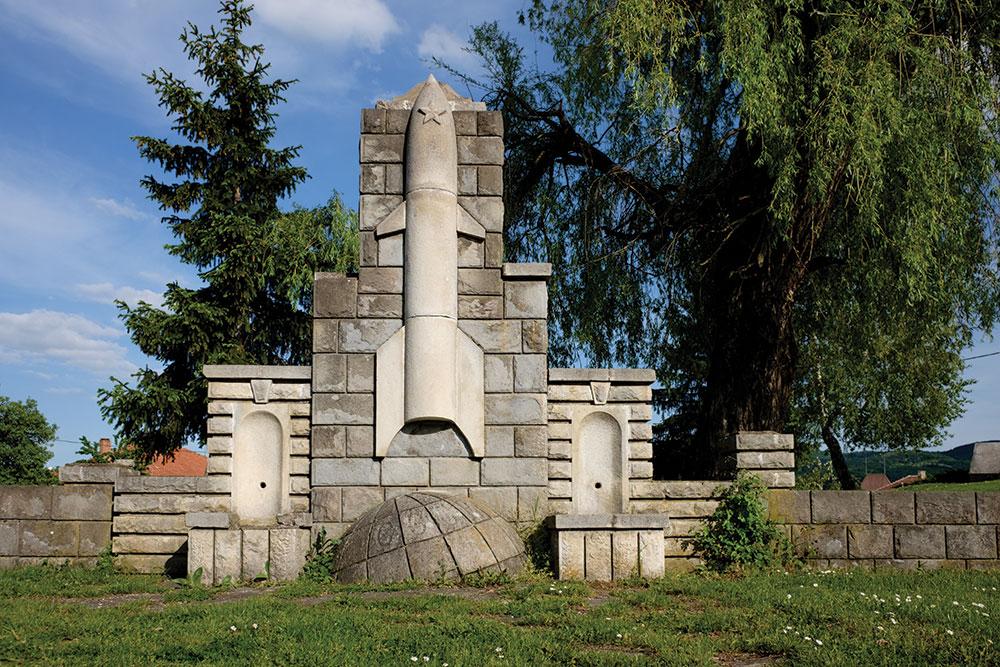
BULGARIA'S FORGOTTEN RACE INTO SPACE

The mission of NASA's Space Launch System that aims to bring back humans to the Moon in 2024 is just the latest piece of space exploration news. The USA, China and Elon Musk are trying to figure out how to colonise Mars, Korea has developed its own rocket, and besides producing stunning photos of distant galaxies the brand new James Webb Space Telescope is searching for inhabitable exoplanets.

Comments: 2

Read more Add new comment

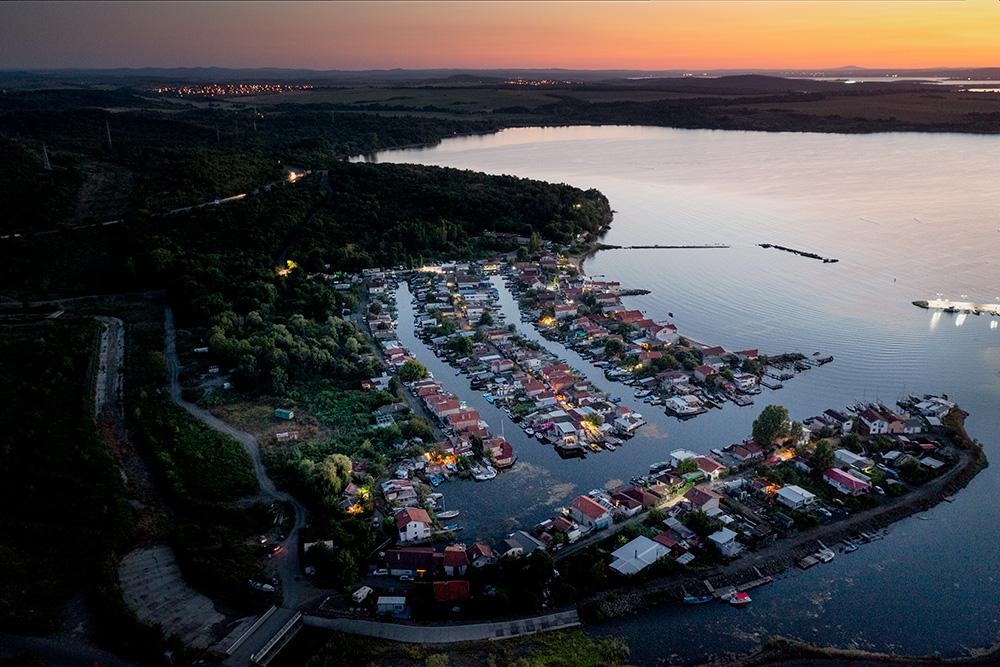
BULGARIA'S VERSION OF CANNERY ROW IS IN CHENGENE SKELE

Any chance visitor who has detoured midway from the Burgas-Sozopol highway, on the southern Bulgarian Black Sea coast, will end up in an odd location. As you drive up the bad road to the infamous maritime oil terminal, now the property of Russian giant LUKoil, you will inevitably take in an assortment of buildings – some of them makeshift, others with a more stable construction, but none appearing as if designed by a professional architect. Then you are in for the first big hit, a road sign announcing "Everything away from sea is provincial," according to Ernest Hemingway.

Comments: 0

Read more Add new comment

SURPRISE, SURPRISE IN... PERNIK

When you plan a trip in Bulgaria, Pernik is rarely on the list (except for one event, more on this below). An industrial behemoth of the Communist era that fell on hard times after the collapse of the planned economy post-1989, the city is known for its uninspiring urbanscape of factories in different states of dereliction. Its residents now often commute to nearby Sofia – less than 20 miles away, and have the dubious reputation of spending weekend nights in local clubs where fights are de rigueur.

Comments: 0

Read more Add new comment

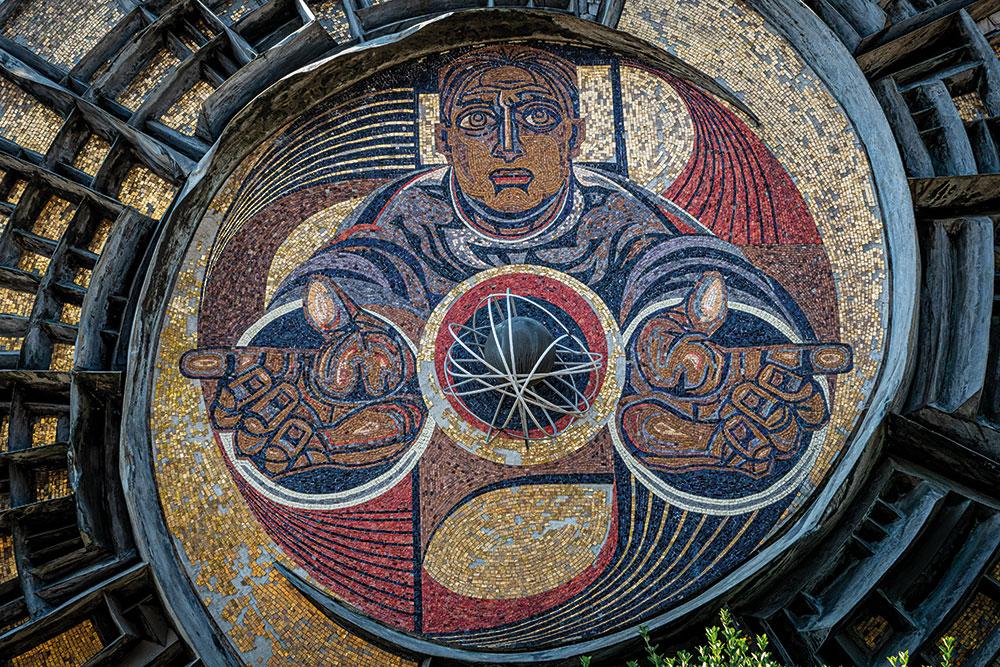
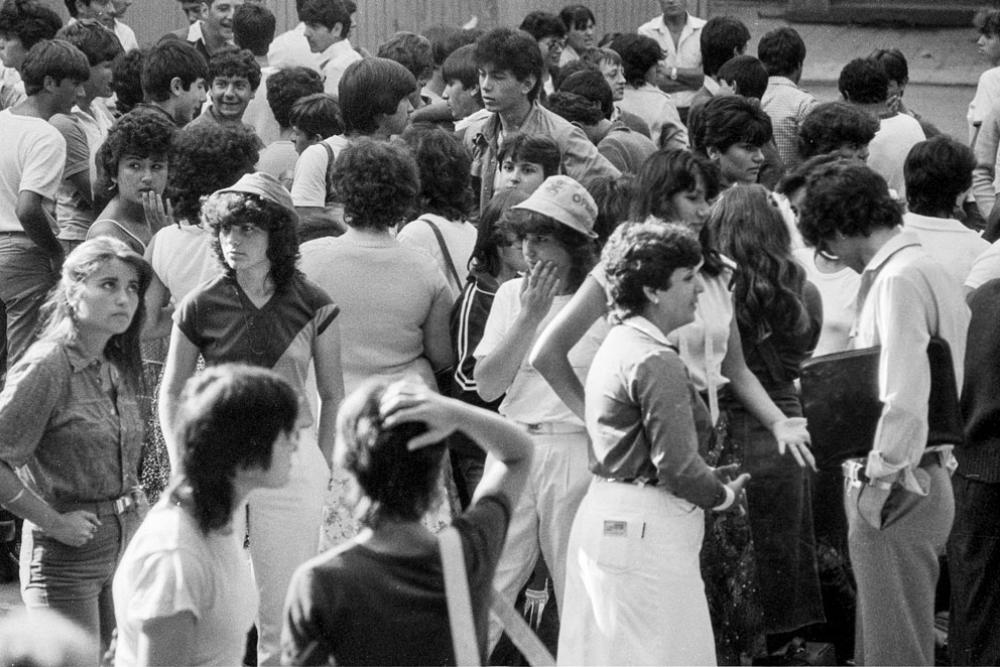
WHAT FEEDS BULGARIAN NOSTALGIA FOR COMMUNISM?

Some years ago the Pew Research Center in Washington DC produced a survey indicating the levels of nostalgia in Bulgaria surpassed by far longing for the past everywhere else in the former East bloc countries. How come? Why would the citizens of what today continues to be the European Union's poorest, most corrupt and least free state want to return to a nebulous and increasingly distant totalitarian past? What differs the modern Poles, Czechs and Romanians – not to mention the former East Germans – who have long forgotten about Communism from their peers in the southern Balkans?

Comments: 0

Read more Add new comment

MONUMENTAL WOES

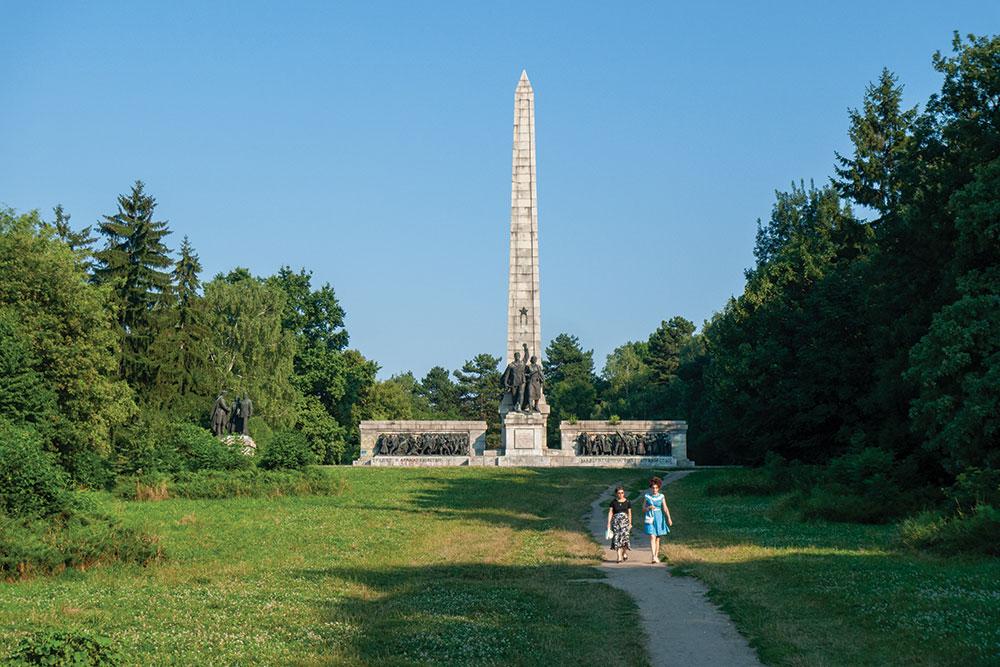
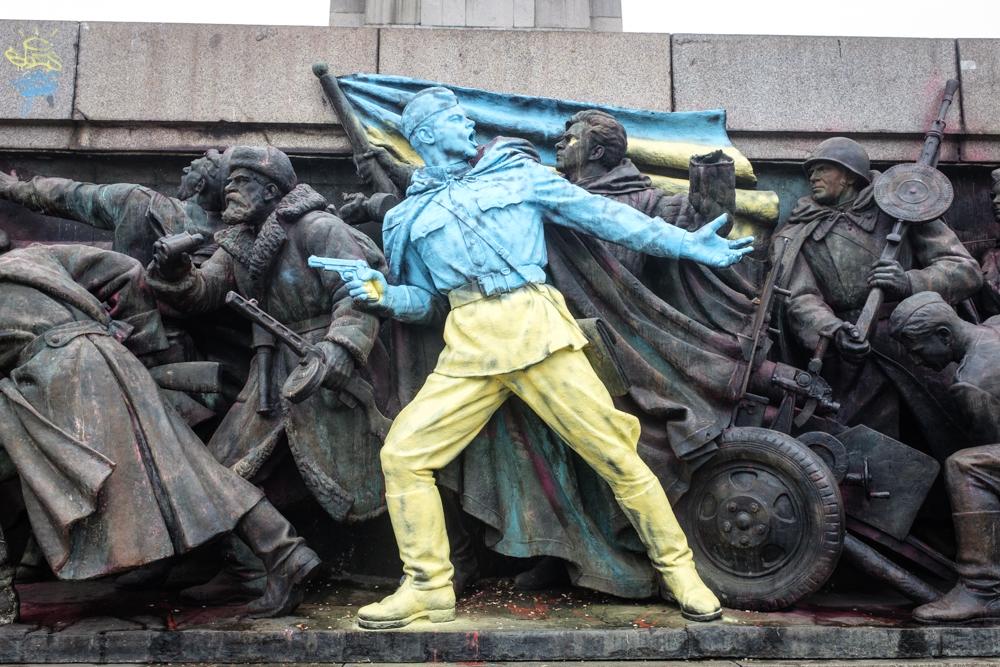
One of the attractions of the Bulgarian capital, the 1950s monument to the Red Army, may fascinate visitors wanting to take in a remnant of the Cold War, but many locals consider it contentious. Recently Traycho Traykov, who was an economy minister for Boyko Borisov and is now mayor of the Sofia borough of Sredets, voiced his determination to have the monument "disassembled" and some of its many effigies of Russian soldiers and welcoming Bulgarians placed in a museum.

Comments: 0

Read more Add new comment

PREFAB SOCIETY

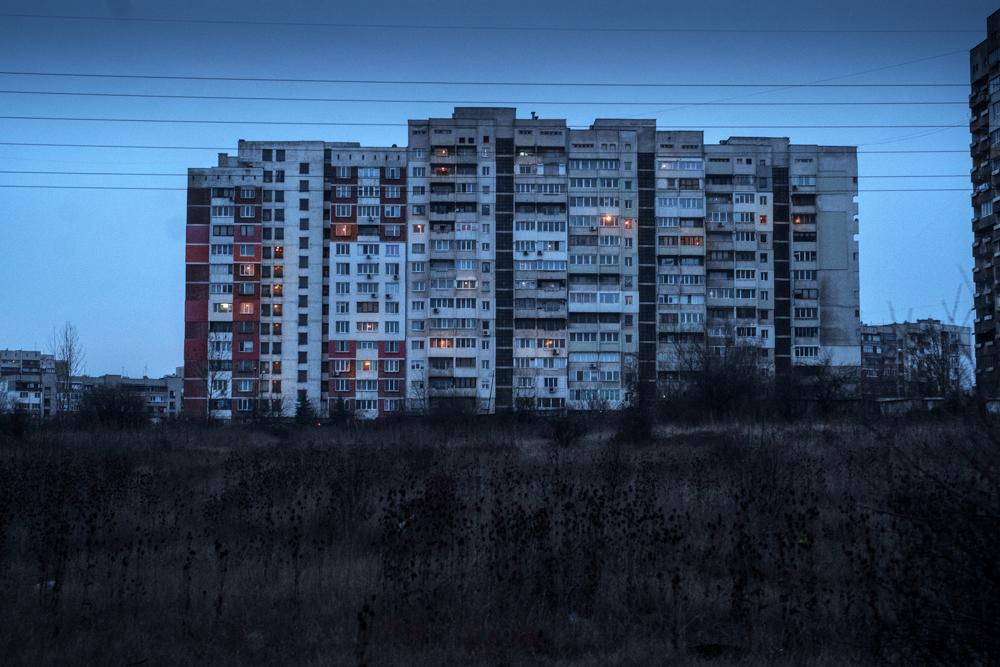
With the mountains for a backdrop and amid large green spaces, uniform apartment blocks line up like Legos. Along the dual carriageway, 7km from the centre of Sofia, the underground comes above ground: Mladost Station.

Comments: 0

Read more Add new comment

COLD WAR REMAINS AT PADARSKO, BULGARIA

If you ever find yourself in the Thracian Plain northeast of Plovdiv, Bulgaria's second largest city that holds many enticements to both expats and casual visitors alike, you will probably be bored. You will be doing the 20-mile drive over farming flatlands with little to distract the traveller's attention than the occasional roadside vendor selling tomatoes and peppers, or sometimes a mini traffic jam caused by a tractor going too slow. Then, quite surprisingly for a Bulgarian flatland where you are usually able to see for miles around, you will enter a thick grove.

Comments: 0

Read more Add new comment

1,340 YEARS OF BULGARIA

When was Bulgaria founded? If you ask Google, be prepared for a travel through a rabbit hole of increasingly bizarre theories that use fanciful "evidence" to "disprove" the "ruling hypothesis" that Bulgaria came into being in 681. The most extravagant ones claim that Bulgarians are the oldest nation in the world, of course.

Comments: 0

Read more Add new comment

BULGARIAN HORROR

As you drive up the progressively deteriorating road through the Balkan mountains the scenery changes. From the flats of the Lower Balkan fields northwards you enter an increasingly menacing landscape of steep hills and rocks, with what is known as the Trans-Balkan Railway line (cutting the Balkan mountain range from Stara Zagora in the south to Gorna Oryahovitsa in the north) meandering alongside a tiny river. Then, about 10 miles north of Dabovo, you take a steep road that was once asphalt.

Comments: 1

Read more Add new comment

SEARCHING FOR BLOKE

Splendid saints, bosomy beauties in "traditional" costumes, saccharine angels: in the past decade, large scale wall paintings on concrete apartment blocks, business and public buildings in Sofia have flourished. The unveiling of the largest ones, particularly when Boyko Borisov's Sofia Municipality is involved, attracts media attention and results in an avalanche of posts, photos and shares.

Comments: 0

Read more Add new comment